

- Home
-
Product Showcase
BulldozerExcavatorLoaderCompactorPipelayerAccessoriesParts
 Small Bulldozer
Tonnage: Under 13 tons
Features: compact body, flexible steering, easy operation, low fuel consumption
 Medium Bulldozer
Tonnage: 13 to 23 tons
Features: Moderate power, wide range of applicable operating conditions, and high cost-effectiveness.
 Large Bulldozer
Tonnage: Over 23 tons
Features: Powerful engine, high traction, large blade capacity, and a robust, durable structure—specifically designed for heavy-duty, harsh operating conditions.
 Mini Excavator
Tonnage: 1 to 6 tons
Features: Compact and agile, easy to relocate, low fuel consumption.
 Small Excavator
Tonnage: 6 to 13 tons
Features: Highly versatile, excellent value for money, and the most commonly used compact excavator in construction projects.
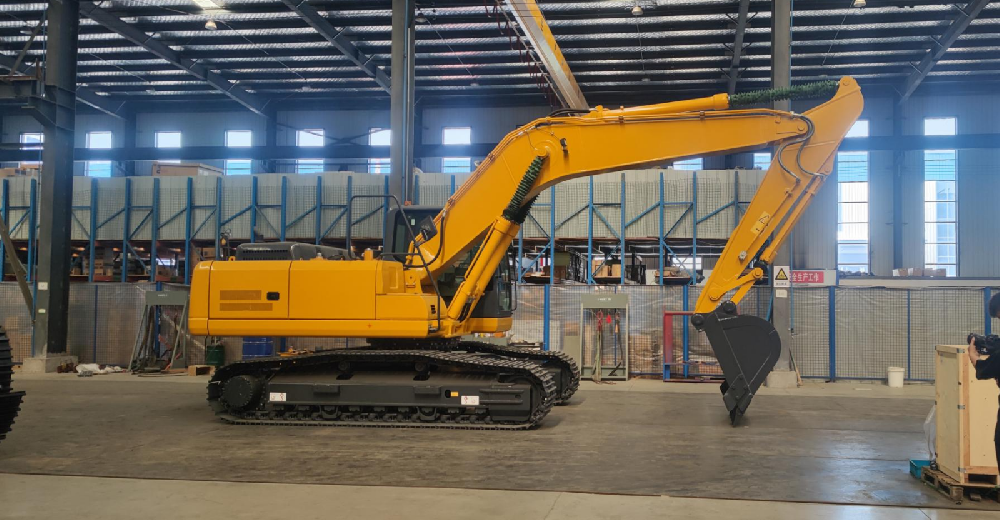
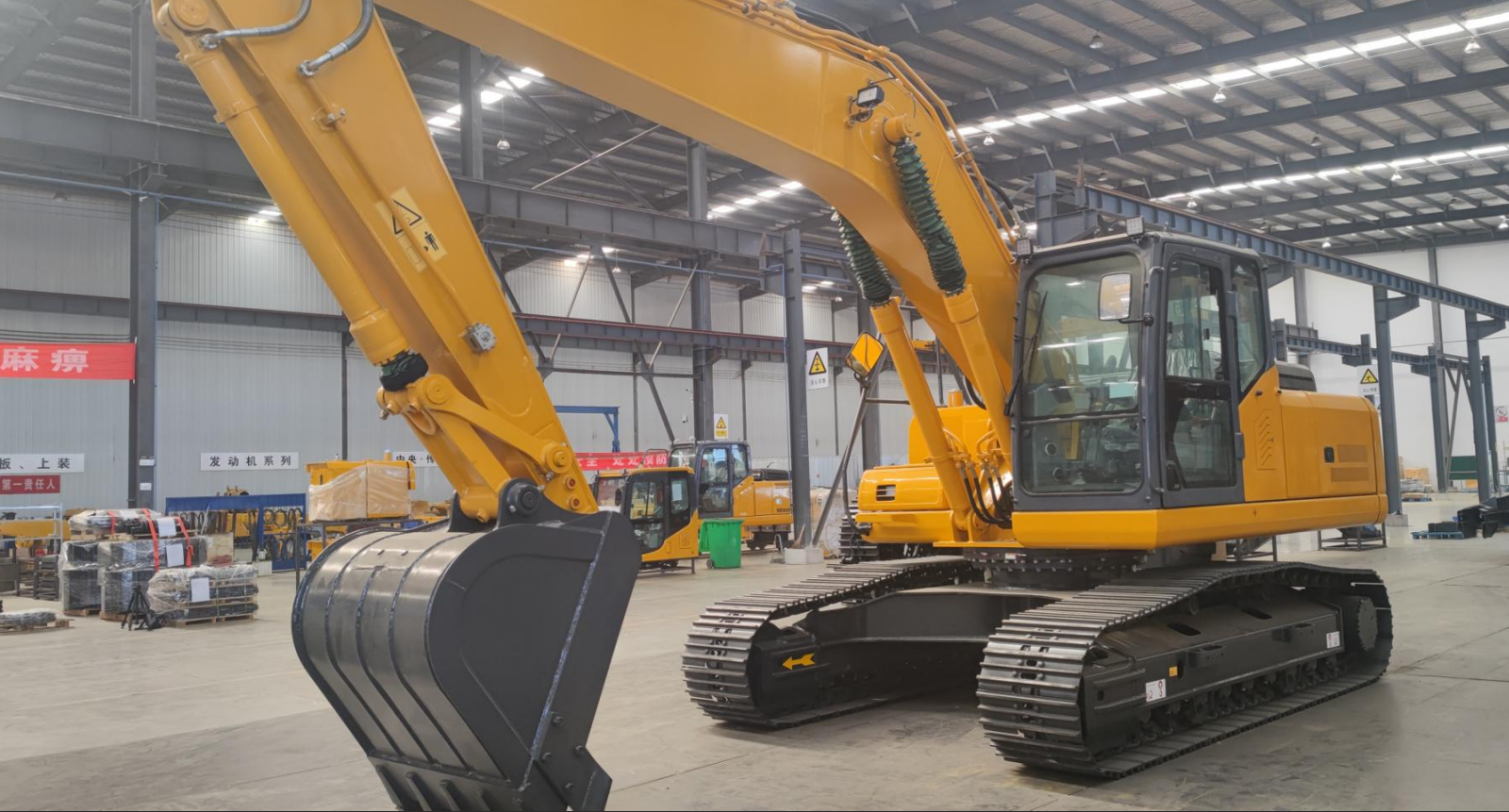
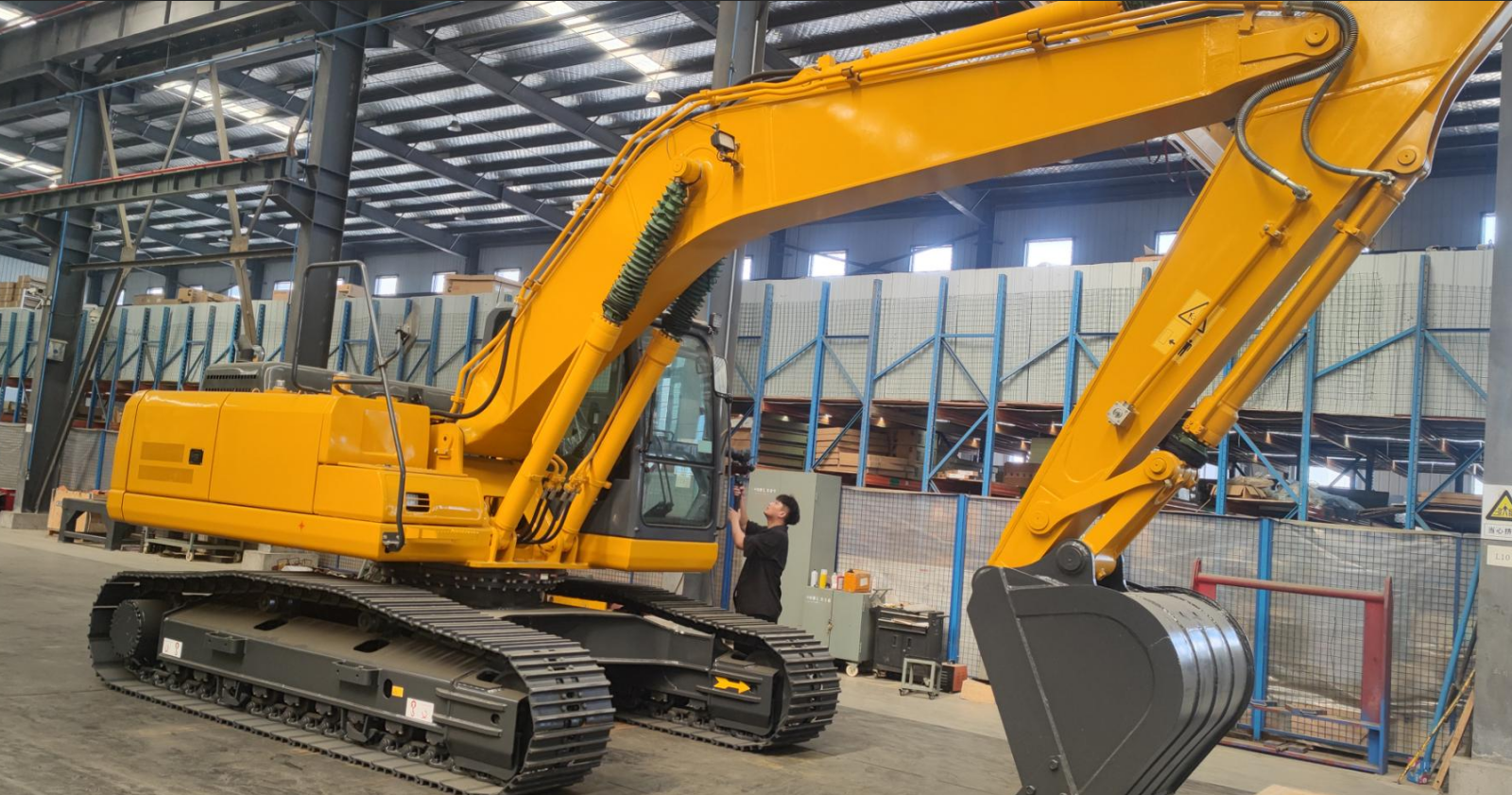
 Medium Excavator
Tonnage: 13 to 30 tons
Features: The flagship model with the highest market sales and widest range of applications.
 Large Excavator
Tonnage: 30 to 50 tons
Features: High efficiency, large bucket capacity, suitable for heavy-duty operations.
 Wheel Excavator
Tonnage: 4 to 20 tons
Features: High mobility, causes no damage to road surfaces, low transport costs.
 Small Loader
Tonnage:Under 3 tons
Features:compact body, flexible steering, easy operation, low fuel consumption, suitable for narrow spaces
 Medium Loader
Tonnage:3–6 tons
Features:stable performance, strong loading capacity, smooth operation, energy-saving, wide applicability
 Large Loader
Tonnage:Over 6 tons
Features:heavy-duty design, high efficiency, powerful output, durable structure, ideal for large-scale projects
 Skid Steer Loader
Tonnage:Under 2.5 tons
Features:ultra-compact size, zero-radius turning, quick attachment change, flexible maneuvering, multi-purpose working
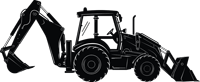 Backhoe Loader
Tonnage: 4 to 8 tons and above
Features: Powerful dynamics, high digging force, strong loading capacity, and excellent stability—suitable for heavy-duty operating conditions.
 Single-drum vibratory roller
Tonnage: 6 to 26 tons
Features: Deep compaction depth, strong excitation force, and high traction—suitable for roadbed foundation compaction.
 Tandem roller
Tonnage: 3 to 14 tons
Features: Dual-drum vibration, high surface flatness, and uniform compaction; suitable for the precision compaction of asphalt surface layers.
 Pneumatic Tire Roller
Tonnage: 16 to 30 tons
Features: Compaction via kneading and pressing; excellent sealing performance; dense and uniform pavement surface. Primarily used for the final compaction of asphalt.
 Mini Road Roller
Tonnage: 0.8 to 3 tons
Features: Compact size, agile maneuverability, and convenient operation—suitable for working in confined spaces.
 Landfill compactors
Tonnage: 20–35 tons
Features: Robust structure, high compaction force, wear-resistant and corrosion-proof—specifically designed for landfills.
 Small Pipelayer
Tonnage: 10 tons – 25 tons
Features: Agile body, compact structure, convenient site transfers, and stable operation—suitable for small-to-medium scale pipeline construction.
 Medium Pipelayer
Tonnage: 25 to 45 tons
Features: Balanced lifting performance, excellent stability, ample traction, and strong versatility; serves as a mainstay model for pipeline construction.
 Large Pipelayer
Tonnage: Over 45 tons
Features: Strong lifting capacity, high traction force, stable chassis, and durable structure—specifically designed for large-diameter, heavy-duty pipelines.
- About Us
- News
- Videos
- Contact Us