Overview of 20-Ton Crawler Excavators: A Mainstay for Medium-Scale Construction
In the realm of modern construction machinery, the 20-ton crawler excavator stands out as a highly versatile, medium-sized workhorse. It perfectly bridges the gap between small excavators—which often lack sufficient power—and large excavators, which can be constrained by site limitations. Thanks to its balanced power configuration, agile operational performance, robust build quality, and adaptability to diverse working conditions, this model is suitable for a wide range of small-to-medium projects, including infrastructure, municipal works, earthmoving, water conservancy, and road renovation. Renowned for its efficiency, energy savings, stability, durability, and excellent cost-performance ratio, it is the preferred choice for major construction firms and engineering teams, consistently ranking at the forefront of its tonnage class in terms of market adoption and usage.
Core Performance Advantages: High Efficiency and Power for Heavy-Duty Operations
The new 20-ton crawler excavator features a fully upgraded powertrain compliant with China IV emission standards. Equipped with a specialized, high-output engine, it delivers ample power reserves and stable output, effectively eliminating issues such as power degradation and sluggishness under heavy loads often found in older models. The machine utilizes a high-precision hydraulic control system that minimizes power transmission loss and ensures rapid response times. Key performance metrics—including digging force, swing speed, and lifting height—meet mainstream industry standards, allowing the machine to easily handle demanding, heavy-duty tasks such as earth excavation, foundation compaction, pavement breaking, and trenching. Furthermore, the optimized power management system effectively reduces fuel consumption while maintaining robust operational power; compared to older models of the same tonnage, overall fuel consumption is reduced by approximately 15%, significantly lowering long-term operating costs and boosting overall project profitability.
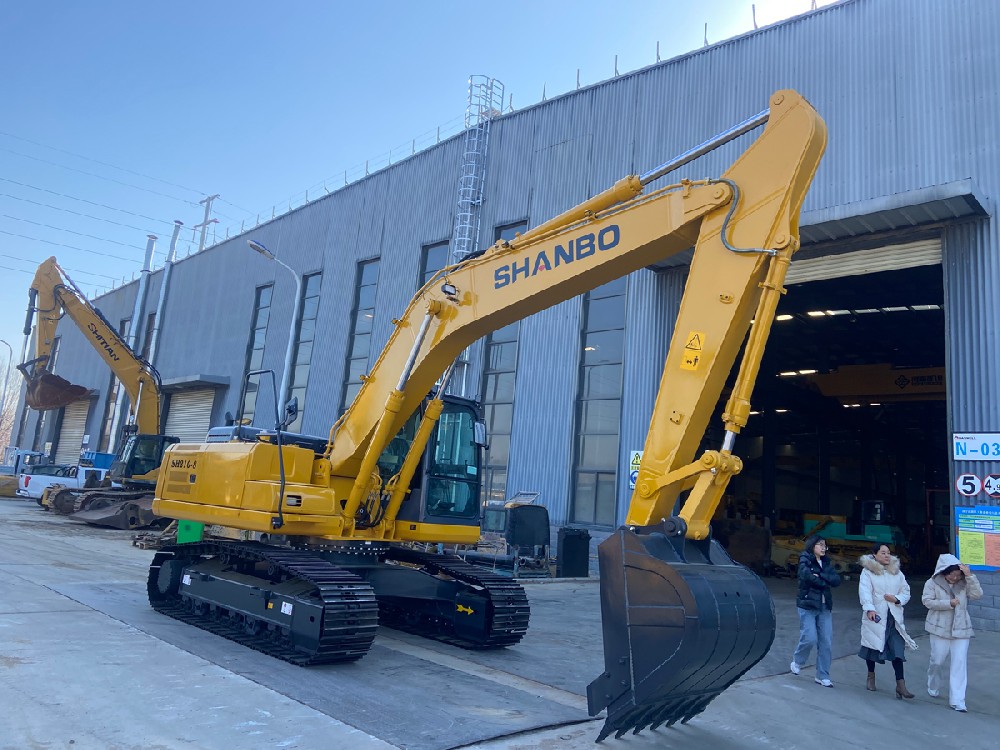
Regarding its structural design, the 20-ton crawler excavator utilizes a high-strength alloy framework. Key load-bearing and high-wear components—such as the boom and arm, track frames, undercarriage, and pivot pins—have undergone specialized reinforcement. This ensures exceptional wear resistance, durability, and impact resilience, allowing the machine to handle complex and harsh operating environments with ease, including mountainous terrain, mud, gravel, and uneven, rugged ground. Its crawler-based undercarriage offers a large ground contact area and low ground pressure, minimizing the risk of sinking or slipping and ensuring superior stability on soft, muddy sites. Precision engineering has resulted in a low failure rate and easy routine maintenance. With high parts interchangeability and ready availability of spares, the machine boasts low long-term operating costs and high uptime, making it perfectly suited for demanding, continuous construction operations.
Versatile 20-Ton Crawler Excavator: Adaptable to Diverse Scenarios and Small-to-Medium Projects
One of the 20-ton crawler excavator's core strengths is its exceptional versatility across different working conditions. Capable of handling both precision urban construction and heavy-duty field operations, it transcends the limitations of single-purpose models to serve as a reliable, all-around workhorse for small-to-medium-scale projects. In urban municipal settings, its compact and agile design allows for easy access to narrow streets, older residential complexes, and confined construction sites. It is ideal for precision tasks such as utility network installation, pavement demolition, landscaping excavation, site clearing, and the renovation of aging infrastructure. The machine features smooth hydraulic controls and high operational precision, ensuring minimal construction error and preventing damage to existing roads or nearby structures. Additionally, its low noise levels and compliant exhaust emissions meet strict urban environmental standards, making it an excellent choice for routine municipal repairs and public infrastructure upgrades.
In field-based infrastructure projects, the 20-ton crawler excavator truly shines with its heavy-duty performance capabilities. The equipment features a generous standard bucket capacity, enabling high-volume earthmoving per cycle and superior operational efficiency; it allows for the rapid completion of large-scale excavation, backfilling, and site leveling tasks. In the field of water conservancy, it is ideally suited for operations such as river dredging, embankment shaping, foundation pit excavation, and water-based infrastructure projects; its waterproof and dustproof design effectively withstands the challenging, wet, and sediment-rich environments often encountered in such work. For road construction and renovation, it handles tasks like subgrade excavation, slope trimming, pavement breaking, and site compaction. Thanks to a stable crawler undercarriage, it navigates uneven terrain with ease, ensuring steady movement and efficient operation—fully meeting the diverse construction needs of outdoor infrastructure projects.
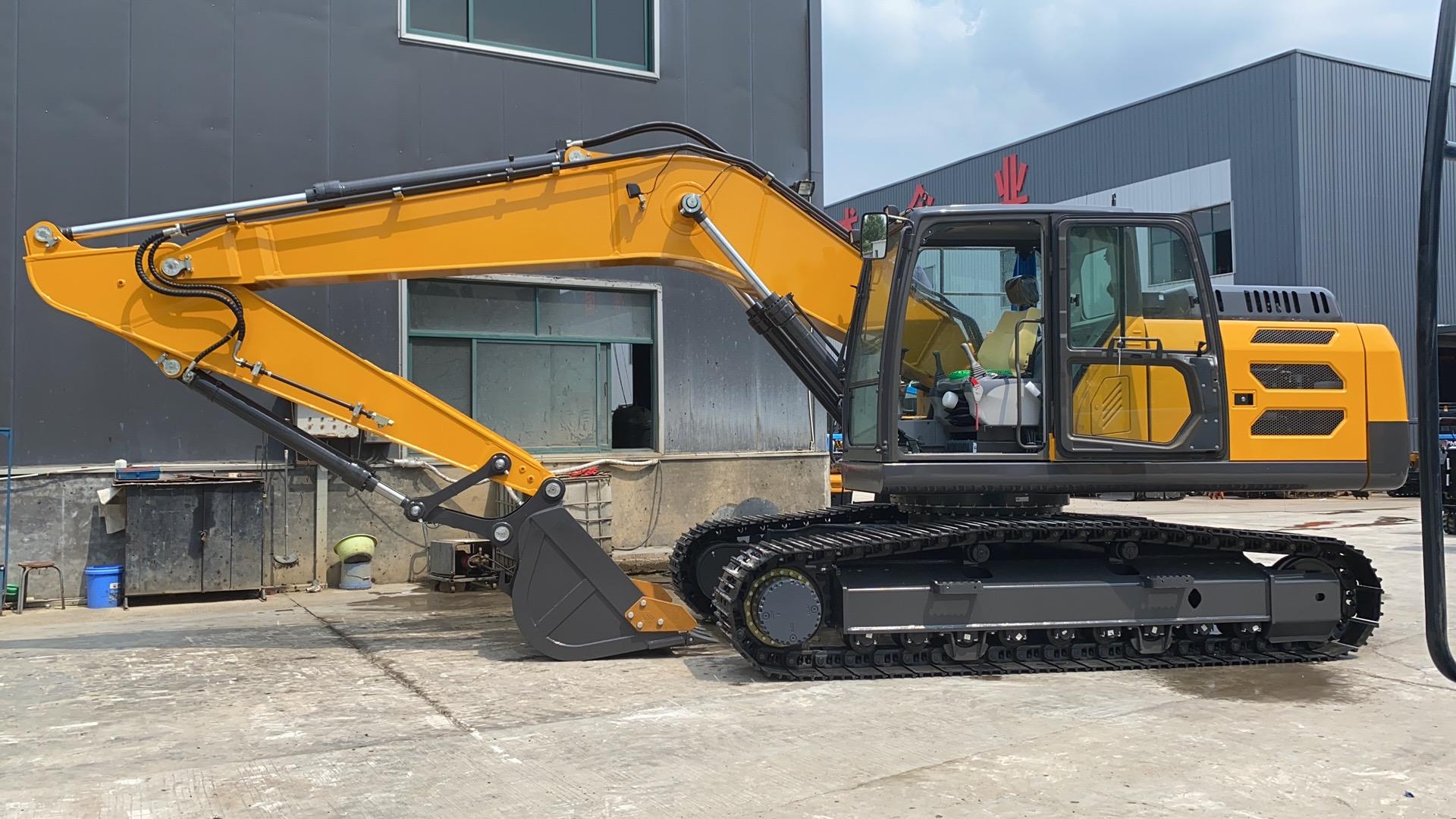
Tips for Selecting a Cost-Effective 20-Ton Crawler Excavator and Avoiding Common Pitfalls
The market currently offers a vast array of 20-ton crawler excavator brands and models, with significant variations in configuration, quality, and performance. Buyers often fall into traps such as prioritizing low prices at the expense of specifications, or choosing machines that suffer from high fuel consumption and low efficiency. To select a cost-effective model that is durable, fuel-efficient, and economical to maintain—while perfectly matching your specific working conditions—you should evaluate four key dimensions: core configuration, build quality, fuel efficiency, and after-sales support, rather than making a hasty or uninformed choice.
Power and hydraulic systems are the core elements of selection, as they directly determine operational efficiency. Prioritize models equipped with high-power engines that meet China IV (National IV) emission standards. Ample power reserves ensure the machine can handle both routine earthmoving and high-intensity tasks like breaking and heavy-duty excavation. Furthermore, compliance with these standards ensures the machine meets environmental regulations across all regions, avoiding issues such as operating restrictions or failure to pass annual inspections. The hydraulic system preferably employs a high-precision, closed-loop control mechanism characterized by rapid response, stable power delivery, and low energy loss; this ensures the explosive power needed for heavy-duty tasks while meeting the precision requirements of meticulous municipal construction, enabling multi-purpose functionality and adaptability across all operating conditions.
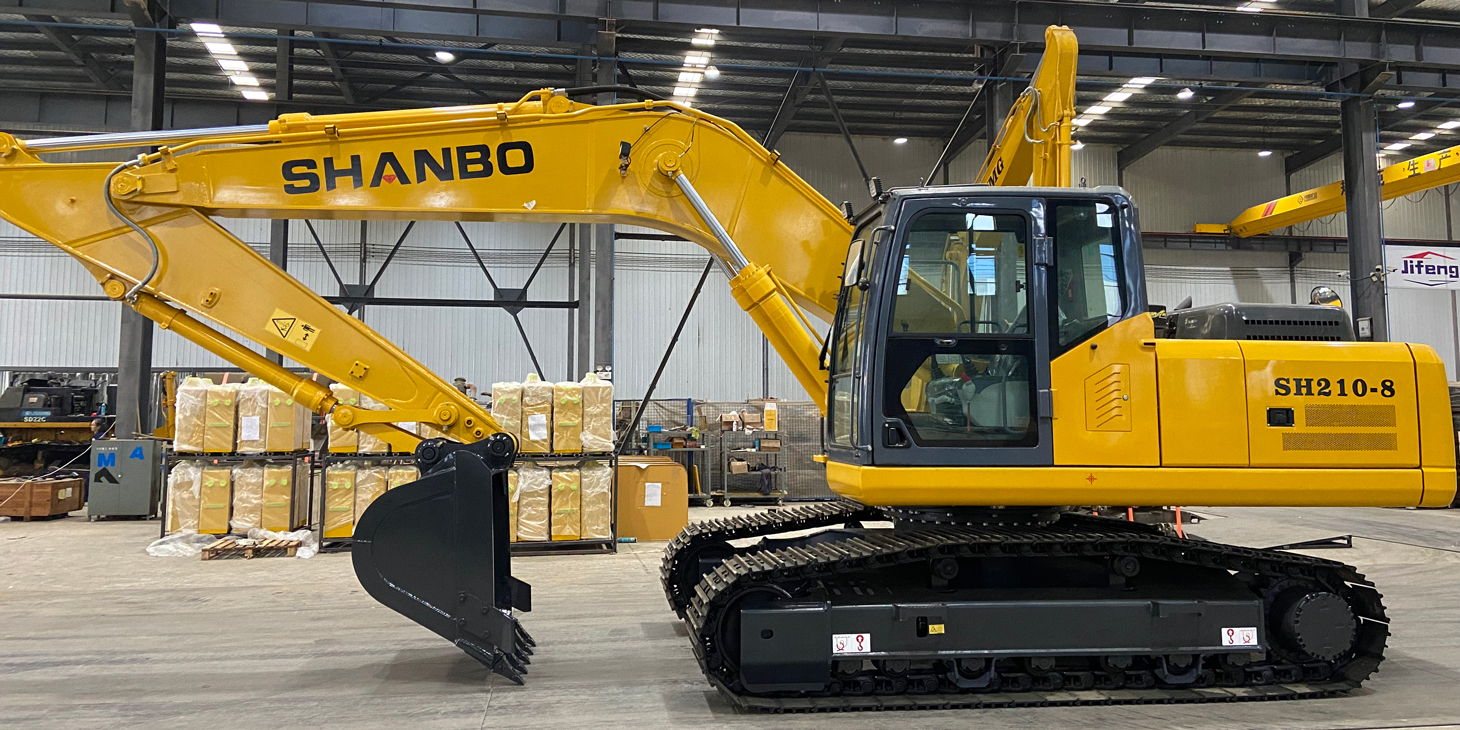
Machine durability and long-term maintenance costs are key factors in determining cost-effectiveness. When purchasing, prioritize inspecting the materials and reinforcement techniques used for high-wear components such as the boom and arm, undercarriage, tracks, and pins; thickened, wear-resistant materials effectively extend the equipment's service life and reduce the frequency of breakdowns. Additionally, focus on fuel efficiency—models with optimized power matching can significantly lower fuel consumption during long-term operations, which is crucial for boosting project profits. Furthermore, opt for models with high parts interchangeability and extensive after-sales service networks; such equipment offers simple routine maintenance, convenient repairs, and affordable spare parts, thereby minimizing long-term operating costs. Their overall value far exceeds that of low-price, low-spec models, making them better suited for regular, ongoing construction operations.



 Small Bulldozer
 Medium Bulldozer
 Large Bulldozer
 Mini Excavator
 Small Excavator
 Medium Excavator
 Large Excavator
 Wheel Excavator
 Small Loader
 Medium Loader
 Large Loader
 Skid Steer Loader
 Backhoe Loader
 Single-drum vibratory roller
 Tandem roller
 Pneumatic Tire Roller
 Mini Road Roller
 Landfill compactors
 Small Pipelayer
 Medium Pipelayer
 Large Pipelayer