20-ton class crawler excavators are a widely used type of medium-sized excavation equipment in the construction industry. They offer significantly higher digging force, working range, and loading efficiency than mini-excavators, without imposing high requirements on transportation conditions, construction space, or project scale like large mining excavators do. Therefore, they are extensively used in building, road, municipal, earthwork, pipeline network, mining, and land development projects.
In fact, the term "20-ton class excavator" commonly used in the engineering market is not strictly limited to an operating weight of exactly 20 tons. Crawler excavators weighing around 21, 22, 23, and 24 tons generally fall within this mainstream medium-duty application range. Different configurations can be selected based on earthwork volume, digging depth, loading efficiency, and construction intensity.
🏗️ 1. Large-Scale Earthwork Excavation and Transfer
Earthwork is one of the primary applications for 20-ton crawler excavators. These machines can excavate soil, clay, sand, gravel, and certain mixed strata, directly loading the excavated material into dump trucks.
Residential projects, industrial parks, factories, warehouses, roads, and infrastructure construction often require handling large volumes of earth. The 20-ton class excavator balances digging efficiency, loading capacity, and site flexibility, making it a mainstay excavation device on construction sites.
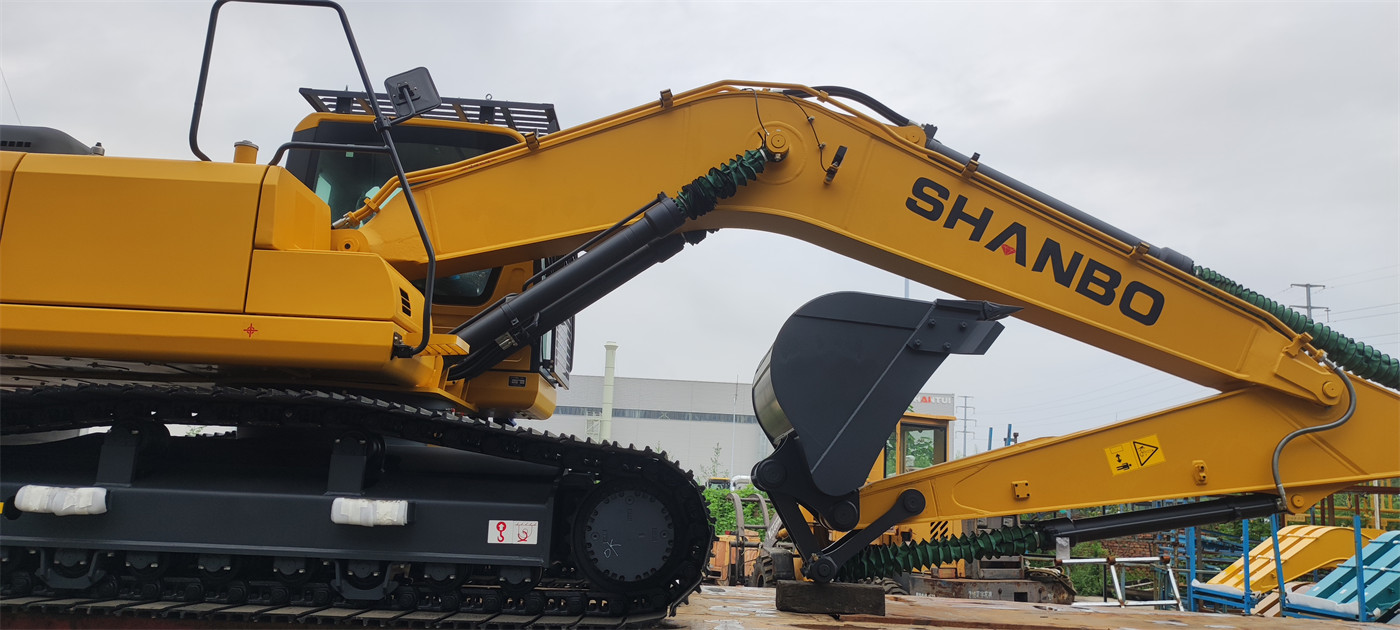
🕳️ 2. Building Foundations and Pit Excavation
In the construction of residential buildings, industrial plants, commercial structures, warehouses, and bridge foundations, 20-ton class excavators can complete foundation excavation, pit construction, slope trimming, and bottom leveling.
Compared to mini-excavators, medium-sized crawler excavators offer greater digging depth and working radius, providing a distinct efficiency advantage when rapid completion of large-scale foundation earthworks is required.
🛣️ 3. Highways, Roads, and Infrastructure Construction
Road construction is a key scenario for 20-ton excavators, including subgrade excavation, side ditch construction, drainage ditch excavation, slope trimming, pavement base treatment, and earthwork loading.
In highway, rural road, municipal road, industrial park road, and large infrastructure projects, medium-sized crawler excavators typically form a continuous construction equipment combination with bulldozers, wheel loaders, rollers, and dump trucks.
🚧 4. Pipeline Trenches, Drainage, and Underground Network Construction
20-ton crawler excavators are well-suited for pipeline trenching, capable of excavating trenches for water supply pipes, drainage pipes, sewage pipes, natural gas pipelines, power cables, and communication lines.
By swapping buckets of different widths, trench dimensions can be controlled according to project requirements. After pipeline installation is complete, the same excavator can continue with backfilling, site cleanup, and restoration of the construction area.
💧 5. Water Conservancy, Agricultural Irrigation, and Canal Construction
In water conservancy and agricultural projects, 20-ton crawler excavators can be used for irrigation channels, drainage ditches, reservoirs, fish ponds, and small-scale hydraulic facility excavation.
For channels and riverbeds that have been in use for many years, these machines can also perform silt removal, channel widening, and bank shaping. The crawler undercarriage provides excellent stability, allowing the equipment to adapt to outdoor and uneven terrain construction.
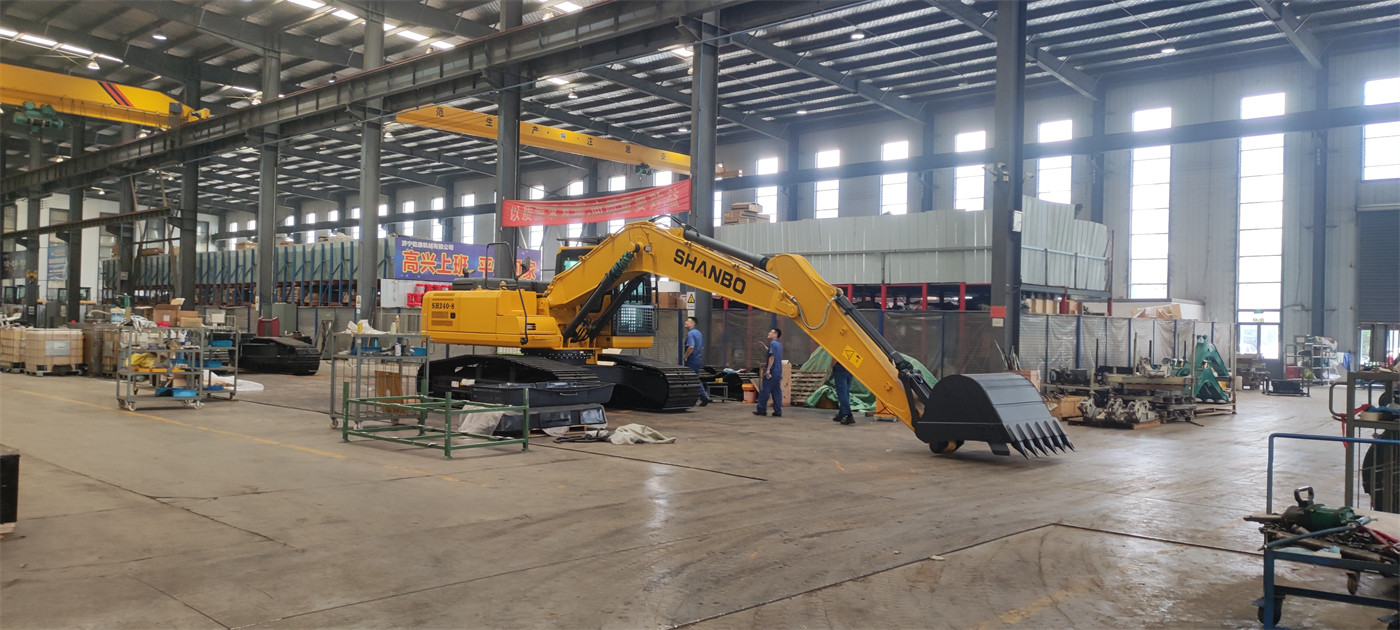
⛰️ 6. Mines, Quarries, and Sand and Gravel Yards
20-ton class excavators are frequently applied in small-to-medium mines, quarries, and sand and gravel yards. They can handle overburden stripping, loose ore excavation, sand and gravel loading, working face cleaning, and construction road maintenance.
For high-intensity, continuous loading operations in large open-pit mines, larger-tonnage mining excavators are usually chosen; however, in small-to-medium mines, quarries, and auxiliary operations, 20-to-24-ton class crawler excavators offer good flexibility and equipment utilization rates.
🚛 7. Dump Truck Loading and Material Handling
20-ton excavators can continuously perform digging, swinging, and dumping, loading earth, sand, gravel, and construction waste into dump trucks. Thus, they serve not only as excavation equipment but also as high-efficiency construction loading devices.
For pit, road, industrial park, mine, and land development projects requiring significant earth removal, bucket capacity, swing speed, and digging force directly impact daily loading efficiency.
🔨 8. Hydraulic Breaker for Breaking Rock and Concrete
Equipped with a hydraulic breaker, medium-sized crawler excavators can break concrete pavements, building foundations, rock, and other hard materials.
This configuration is widely used in road renovation, building demolition, quarries, pipeline trenching, and rocky stratum construction, allowing a single excavator to perform both digging and breaking tasks.
🏚️ 9. Building Demolition and Old Foundation Cleanup
By attaching tools such as breakers, hydraulic shears, and grapples, 20-ton class excavators can also be used for building demolition, old concrete foundation cleanup, and construction waste processing.
After demolition, the equipment can continue with construction waste grabbing, stacking, loading, and site organization, improving the overall utilization rate of the machine throughout the project.
🌳 10. Land Development and Construction Site Clearance
Before constructing new factories, residential areas, roads, and industrial parks, land leveling and surface clearance are usually required. 20-ton crawler excavators can remove earth, rocks, tree roots, old foundations, and other ground obstacles.
With various attachments such as buckets, rippers, and grapples, they can perform multiple tasks ranging from initial land clearing to subsequent earthwork construction.
🏞️ 11. Slope Trimming, Channel Shaping, and Site Leveling
Excavators are not just for digging downward. With grading buckets and proper operation techniques, medium-sized excavators can also shape and level road slopes, riverbanks, shoulders, ditches, and construction sites.
These operations are common in highway engineering, water conservancy projects, industrial park construction, municipal projects, and large-scale land development.
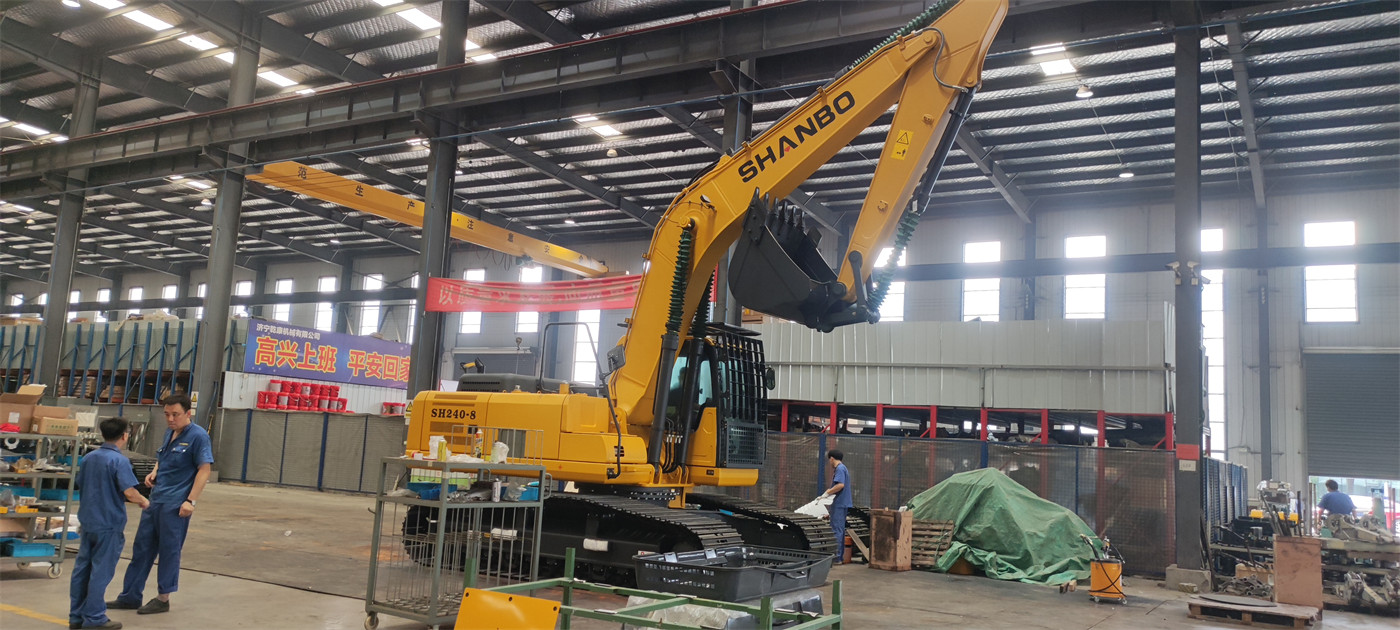
♻️ 12. Construction Waste and Various Engineering Material Processing
Equipped with hydraulic attachments like grapples, 20-ton class crawler excavators can grab, sort, handle, and load construction waste, rocks, wood, scrap materials, and other engineering materials.
The same machine can first perform earthwork excavation and then switch attachments for breaking or material handling, reducing the project's reliance on multiple specialized machines.
⚙️ 13. Versatility Through Interchangeable Attachments
The true advantage of 20-ton class excavators lies not only in their digging capability but also in their rich attachment compatibility. Depending on construction needs, they can be equipped with standard buckets, narrow buckets, enlarged buckets, grading buckets, rock buckets, hydraulic breakers, grapples, rippers, quick couplers, and more.
Through reasonable configuration, a single medium-sized crawler excavator can perform digging, trenching, loading, breaking, leveling, grabbing, and material handling, significantly increasing annual equipment utilization.
⭐ Why Are 20-to-24-Ton Class Excavators So Widely Used?
Mini-excavators excel in small size, easy transport, and maneuverability in tight spaces, but their digging force, bucket capacity, and work efficiency are relatively limited when facing large earthworks and heavy construction.
Large excavators have bigger buckets and stronger digging capabilities, but their transportation costs, fuel consumption, space requirements, and purchase prices increase accordingly.
Medium-sized crawler excavators weighing around 20 to 24 tons sit between these two extremes. They can meet the needs of most building, road, municipal, and earthwork projects while also entering relatively heavy-duty environments like mines and quarries, making them a very important mainstream tonnage range in the international construction machinery market.
🚜 How to Choose a 20-Ton Class Excavator? Recommendations for the SH220 and SH240-8 Medium Crawler Excavators
If your project focuses mainly on building construction, foundation excavation, road engineering, pipeline trenching, earthwork loading, and general construction, consider focusing on the 22-ton class medium crawler excavator. If daily earthwork volumes are larger, loading frequency is higher, or you need to enter quarry or heavy earthwork environments, you may further choose the 24-ton class model.
🔥 SH220 22-Ton Class Crawler Excavator: Balancing Efficiency, Fuel Consumption, and Multi-Purpose Construction
The SH220 is a 22-ton class medium crawler excavator designed for building, road, earthwork, and infrastructure construction. Its actual operating weight is 21,200 kg, with a standard bucket capacity of 1.06 m³.
The machine is powered by a Cummins 6BTAA5.9 engine with a rated power of 133 kW and a maximum torque of 708 N·m. Paired with a Linde hydraulic system and intelligent load-sensing control, it reasonably matches hydraulic output according to actual construction loads, ensuring construction movements and digging efficiency while maintaining fuel economy.
The SH220 achieves a maximum bucket digging force of 146 kN and a boom digging force of 140 kN, meeting the digging and loading demands for earth, clay, sand, gravel, and general complex construction conditions.
In terms of working range, the SH220 has a maximum digging depth of 6,490 mm, a maximum digging radius of 9,860 mm, a maximum digging height of 10,950 mm, and a maximum discharge height of 7,190 mm. Thus, it can perform deep pit and pipeline trench construction, as well as satisfy dump truck loading, slope trimming, and general material handling.
Its track width is 600 mm, with a maximum drawbar pull of 214 kN and a climbing ability of 70% (approx. 35°), enabling it to adapt to road construction, earthwork projects, and uneven construction sites.
For contractors needing one machine to long-term handle building foundations, roads, municipal works, pipelines, earthworks, and general quarry auxiliary construction, the SH220 is a more comprehensive choice, maintaining a good balance between machine tonnage, construction capability, fuel consumption, and usage scope.
SH220 22-Ton Class Crawler Excavator Product Page: https://shanbo.cc/MediumExcavator/22ton-crawler-excavator.html
💪 SH240-8 24-Ton Class Crawler Excavator: Larger Bucket, Better Suited for Heavy Earthwork and High-Frequency Loading
For projects with larger earthwork volumes, more loading tasks, or more complex construction environments, consider the SH240-8 24-ton class crawler excavator. This model has an actual operating weight of 23,200 kg, belonging to the 24-ton class medium crawler excavator category, with its standard bucket capacity increased to 1.2 m³.
The SH240-8 also features a Cummins 6BTAA5.9 engine with a rated power of 133 kW and a maximum torque of 708 N·m, adopting a high-efficiency hydraulic system. The main pump's maximum working flow reaches 2×224 L/min, providing smooth compound actions and continuous construction capability.
Its maximum bucket digging force reaches 146 kN. Combined with the 1.2 m³ bucket, it further improves single-dig and loading volumes during large-volume earthwork excavation, sand and gravel loading, and continuous construction.
The SH240-8 has a maximum digging depth of 6,490 mm, a maximum horizontal digging reach of 9,860 mm, and a maximum discharge height of 7,190 mm, covering various working environments such as foundation excavation, road engineering, mining assistance, quarries, earthworks, and large-scale site development.
The equipment uses a heavy-duty track chassis with a track length of 4,460 mm, track shoe width of 600 mm, maximum drawbar pull of 214 kN, and a climbing ability of 70% (approx. 35°), offering good mobility and stability in muddy roads, slopes, and complex earthwork construction sites.
Compared to the 22-ton class model, a core advantage of the SH240-8 is its larger 1.2 m³ bucket. When a project requires repeated large-scale digging and dump truck loading, the larger single-bucket load better leverages the production efficiency of medium-sized excavators.
SH240-8 24-Ton Class Crawler Excavator Product Page: https://shanbo.cc/MediumExcavator/24Ton-Crawler-Excavator.html
⚖️ How to Choose Between the SH220 and SH240-8?
If primarily used for building foundations, municipal construction, pipeline trenching, road building, and conventional earthwork projects, the SH220's 21,200 kg operating weight, 1.06 m³ bucket, 146 kN digging force, and 6,490 mm maximum digging depth are already sufficient to cover a wide range of engineering needs, making it more suitable as a comprehensive medium excavator.
If the project emphasizes large-volume earthwork, sand and gravel loading, quarry auxiliary construction, and long-duration continuous operations, consider the SH240-8. Its 23,200 kg operating weight combined with the 1.2 m³ bucket makes it lean towards heavy-load and high-productivity construction in similar-class engineering environments.
Choosing between a 22-ton or 24-ton crawler excavator should not rely solely on machine tonnage. You must comprehensively consider daily planned earthwork volume, digging depth, stratum hardness, dump truck specifications, construction site space, attachment needs, and daily operating hours.
🌍 Selecting the Right Medium Crawler Excavator for Your Project to Improve Overall Construction Efficiency
From building foundations, road construction, and underground networks to mines, quarries, land development, and large-scale earthwork projects, 20-to-24-ton class crawler excavators can cover numerous common construction scenarios.
The SH220 focuses more on multi-scenario applicability, construction efficiency, and comprehensive usage costs, while the SH240-8 further strengthens earthwork excavation and loading capabilities through its larger 1.2 m³ bucket and heavier overall configuration. Choosing the appropriate tonnage and configuration based on actual engineering needs will truly unlock the construction value of medium-sized crawler excavators.



 Small Bulldozer
 Medium Bulldozer
 Large Bulldozer
 Mini Excavator
 Small Excavator
 Medium Excavator
 Large Excavator
 Wheel Excavator
 Small Loader
 Medium Loader
 Large Loader
 Skid Steer Loader
 Backhoe Loader
 Single-drum vibratory roller
 Tandem roller
 Pneumatic Tire Roller
 Mini Road Roller
 Landfill compactors
 Small Pipelayer
 Medium Pipelayer
 Large Pipelayer