
















When arranging bulldozer operations on soft-ground sites, the common question is not "can it push" but "which type of machine should be used in which section." In the same backfill area, fishpond conversion area or riverbank material yard, one part of the site often has slightly better bearing capacity and can support normal travel and dozing, while another part has a soft surface and high moisture content, where equipment easily sinks or slips. Assigning standard and wetland types to different roles within the same construction plan is closer to actual practice than looking at the parameters of a single machine.
Using verified SD26 series data as a reference, this article explains the division-of-work approach for standard and wetland types in soft-ground operations, the conditions each corresponds to, and which data are not covered and need on-site verification.
First Look at the Practical Constraints of Soft-Ground Dozing
The difficulty of soft-ground operations centers on travel and bearing capacity, not merely on whether the blade can push. When surface bearing capacity is insufficient, track ground contact area and ground contact pressure determine whether the machine can stay stable; when the moisture-bearing layer is thick, track shoe width affects the degree of sinking and the difficulty of getting out; at soft-hard boundaries, whether the machine can transition smoothly must be considered to avoid repeated bogging down in the transition section.
These constraints mean that a soft-ground site does not necessarily require the same configuration throughout; a more reasonable approach is to assign equipment by section according to regional bearing conditions.
Differences Between the Two Configurations in SD26 Series Data
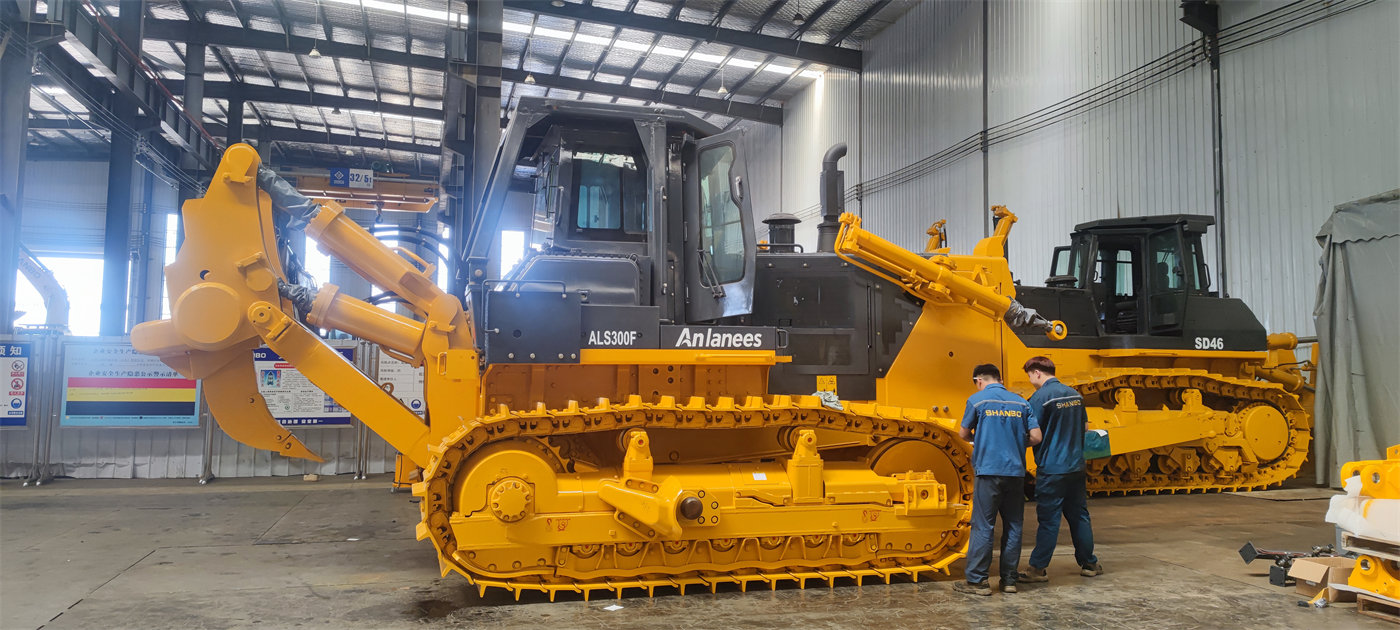
The SD26 series is a 260-horsepower medium bulldozer, and the series listed in the data includes standard, forestry, wetland, desert, sanitation, rock and other specifications. What is directly relevant to soft-ground division of work is the difference between the standard and wetland types in the travel system and overall machine weight.
| Comparison Item | Verified Data for Standard Type | Reference Series Description for Wetland Type |
|---|---|---|
| Operating weight | 23450 kg | The series includes wetland specifications; independent parameters are not given in this article's data |
| Ground contact pressure | 66 kPa | The data state that the series has "low ground contact pressure"; specific values for the wetland type are to be verified |
| Track shoe width | 560 / 610 / 660 mm optional | Wetland track shoe configuration must be confirmed according to product data |
| Engine | Weichai WP12G280E304, China III | Same series power platform; specific wetland configuration is subject to the data |
| Blade | Standard straight tilt blade, capacity 4.6 m³ | Wetland working equipment configuration must be confirmed |
It should be noted that this article's data have limited coverage of independent wetland parameters, and the wetland column in the table lists only series-level descriptions. For specific configurations and values, the product data corresponding to the wetland type should be used as the basis; the standard type's data such as 23450 kg and 66 kPa cannot be directly used to infer wetland performance.
Division-of-Work Approach: Wetland Type Handles Low-Bearing Areas, Standard Type Handles Transition and Rough Grading
Splitting by work area is an operable arrangement:
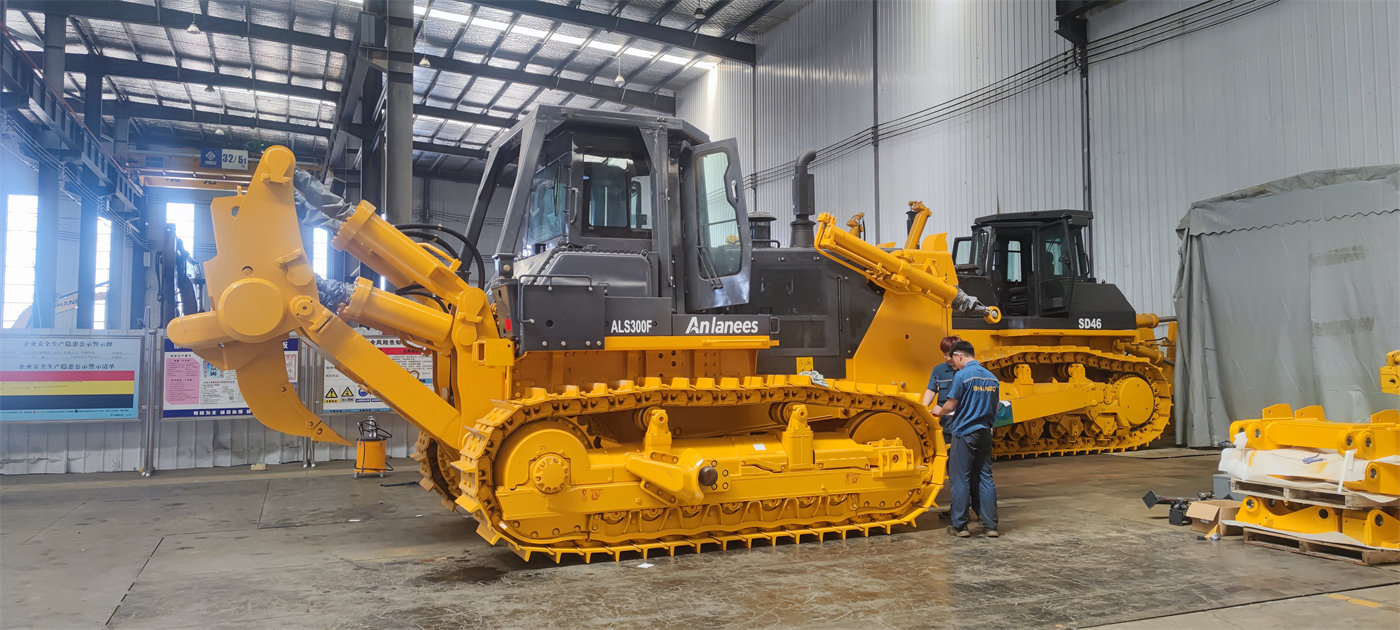
- Low-bearing areas: In areas with soft surfaces and high moisture content, wetland bulldozers are given priority for dozing, spreading and short-distance transfer, using their lower ground contact pressure and wider track configuration to reduce sinking.
- Transition sections and relatively firm areas: In areas where bearing conditions allow normal travel, standard types can handle dozing, material gathering and rough grading, leveraging the cutting capability of the straight tilt blade and the 4.6 m³ blade capacity.
- Boundary handling: Soft-hard boundaries are often high-incidence sections for bogging down; travel routes and operation sequence need to be planned in advance to avoid repeated turning in the boundary zone.
The premise of this division is that the site indeed has distinguishable bearing zones. If bearing capacity is very low across the entire site, the applicable range of the standard type will shrink; if overall bearing capacity is acceptable, the necessity of the wetland type should also be reassessed.
Several Points in Standard Type Data Relevant to Soft-Ground Operations
The standard SD26 has a ground contact pressure of 66 kPa, a ground contact length of 2872 mm, and track shoe widths of 560, 610 and 660 mm. The semi-rigid suspension travel system keeps the track rollers in contact with the track, and the data state that this can increase actual ground contact area and improve traction. For soft ground, the significance of these conditions is that in areas with acceptable bearing capacity, the standard type can complete dozing and rough grading; however, 66 kPa ground contact pressure is not a level specifically designed for extremely soft ground, and it cannot be concluded on this basis that the standard type can replace the wetland type in low-bearing areas.
The standard type is equipped with a straight tilt blade with a capacity of 4.6 m³, with optional angle blades, U-blades and semi-U blades, and an optional three-shank ripper with a maximum tearing depth of 666 mm. These working equipment configurations correspond to earthmoving, bulk material handling and hard-layer loosening, not to soft-ground trafficability configurations.

Matters to Verify Before Selection
Whether a soft-ground division-of-work plan is feasible depends on site conditions. The following items are recommended to be confirmed one by one during the inquiry and planning stages:
- Site bearing zones: which areas can support normal travel and which areas require low-ground-contact-pressure equipment; on-site survey or bearing assessment evidence is preferable.
- Soft layer thickness and moisture content: the depth of the surface soft layer affects the risk of equipment sinking and also affects the actual scope of the wetland type's role.
- Independent parameters of the wetland type: operating weight, ground contact pressure, track shoe width and blade configuration must be based on the data corresponding to the wetland type.
- Work volume allocation: the dozing volume, haul distance and shift arrangements for each of the two areas determine the number and ratio of equipment to be deployed.
- Site transfer and transport: the wetland and standard types differ in transport dimensions and weight, and site access roads and transport vehicles need to be checked separately.
- Drainage and precipitation conditions: soft-ground operations are significantly affected by rainfall and groundwater level, and construction timing needs to take local climate into account.
- Attachments and working equipment: whether rippers, angle blades and other configurations are needed depends on material hardness and spreading requirements.
Information to Provide When Inquiring
When consulting manufacturers or dealers about the SD26 series, it is recommended to provide: the scope and bearing conditions of the soft-ground site, soft layer thickness and moisture content, the type and volume of material planned for dozing, haul distance and shift arrangements, whether ripping or spreading is required, site access road and transport conditions, and the task sections you wish to assign to the standard and wetland types respectively. Only with complete information can it be judged whether the deployment ratio of the two configurations is reasonable and whether the specific parameters of the wetland type meet site requirements.