

















On hard-soil loading sites, a common debate arises: some say the bucket capacity is too small, so each pass loads too little and trucks wait too long; others say the digging force is insufficient, the teeth cannot penetrate the hard soil layer, and no matter how large the bucket is, it cannot be filled. These two views correspond to different stages of the loading cycle, and each is valid on its own; on the same machine, however, their order of precedence must be determined.
The real question readers need to answer is: when loading hard soil, compacted backfill or weathered rock layers, should selection be based first on bucket capacity or first on digging force, or what should be adjusted when both are constrained? Using verified SH240-8 parameters as a reference, this article places bucket capacity and digging force back into the loading cycle, explains where each limits the cycle, and clarifies what the data cannot confirm on site.
First, which part of the loading cycle each metric governs
A loading cycle can be roughly divided into: bucket teeth penetrating and filling the bucket, lifting the full bucket, swinging and positioning, dumping into the truck bed, and returning. Bucket capacity mainly affects "how much can be loaded in this pass," while digging force mainly affects "whether the bucket can penetrate and be filled." Under hard-soil conditions, if the penetration stage repeatedly slips or the bucket can only be half-filled, the nominal bucket capacity is not truly being used; conversely, if penetration is smooth but bucket capacity is on the small side, the limiting point shifts to the number of cycles and truck waiting time.
Therefore, the order of judgment is not fixed. It is first necessary to see how hard the hard soil is and whether the bucket can be filled in one pass, and then to check whether the truck bed height matches the machine's dump height.
Data in the SH240-8 specifications relevant to hard-soil loading
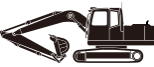
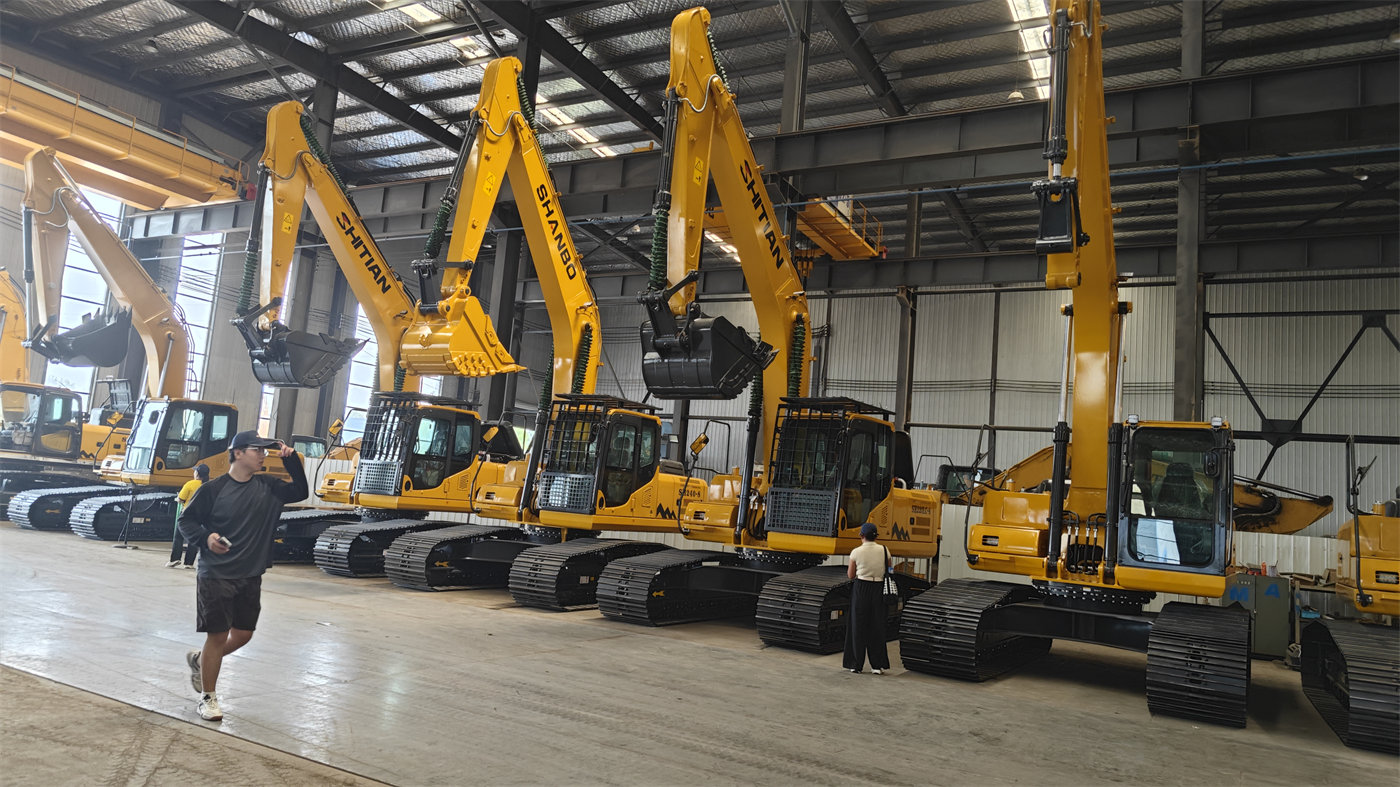
The SH240-8 is a 23.2-tonne medium crawler excavator with an operating weight of 23200 kg, a standard bucket capacity of 1.2 m³ and a bucket width of 1254 mm. The hydraulic system uses variable displacement piston pumps, with a maximum working flow of 2×224 L/min, a travel circuit pressure of 34.3 MPa and a swing circuit pressure of 25.5 MPa. Power comes from a Cummins 6BTAA5.9 turbocharged engine with a displacement of 6.7 L, rated power of 133 kW/2000 rpm and maximum torque of 708 N·m/1500 rpm.
Directly related to "whether it can penetrate hard soil" are the digging force figures: bucket digging force of 146 kN and arm digging force of 107 kN. Related to "how much is loaded per pass" are the 1.2 m³ standard bucket capacity and 1254 mm bucket width. Related to "whether it dumps cleanly" are the maximum dump height of 7190 mm, maximum digging height of 10095 mm, maximum digging depth of 6490 mm and maximum digging reach of 9860 mm.
| Metric | Verified data | What it corresponds to in hard-soil loading |
|---|---|---|
| Standard bucket capacity | 1.2 m³ | Load per pass, affecting cycle count and truck bed filling |
| Bucket digging force | 146 kN | Supporting condition for teeth penetrating hard soil and filling the bucket |
| Arm digging force | 107 kN | Traction condition for arm crowding and cleaning the working face |
| Maximum dump height | 7190 mm | Alignment margin when dumping into a dump truck bed |
Cases where digging force becomes the limiting factor first under hard-soil conditions
When the material is highly compacted and the bucket requires multiple impacts to penetrate, bucket capacity will not be fully utilized. In this case, even if a larger bucket is fitted, penetration resistance will increase accordingly, and cycle time will not shorten because of the larger bucket. The SH240-8's 146 kN bucket digging force and 107 kN arm digging force are upper reference limits given in the data; actual penetration also depends on soil strength, moisture state, tooth wear and operating method.
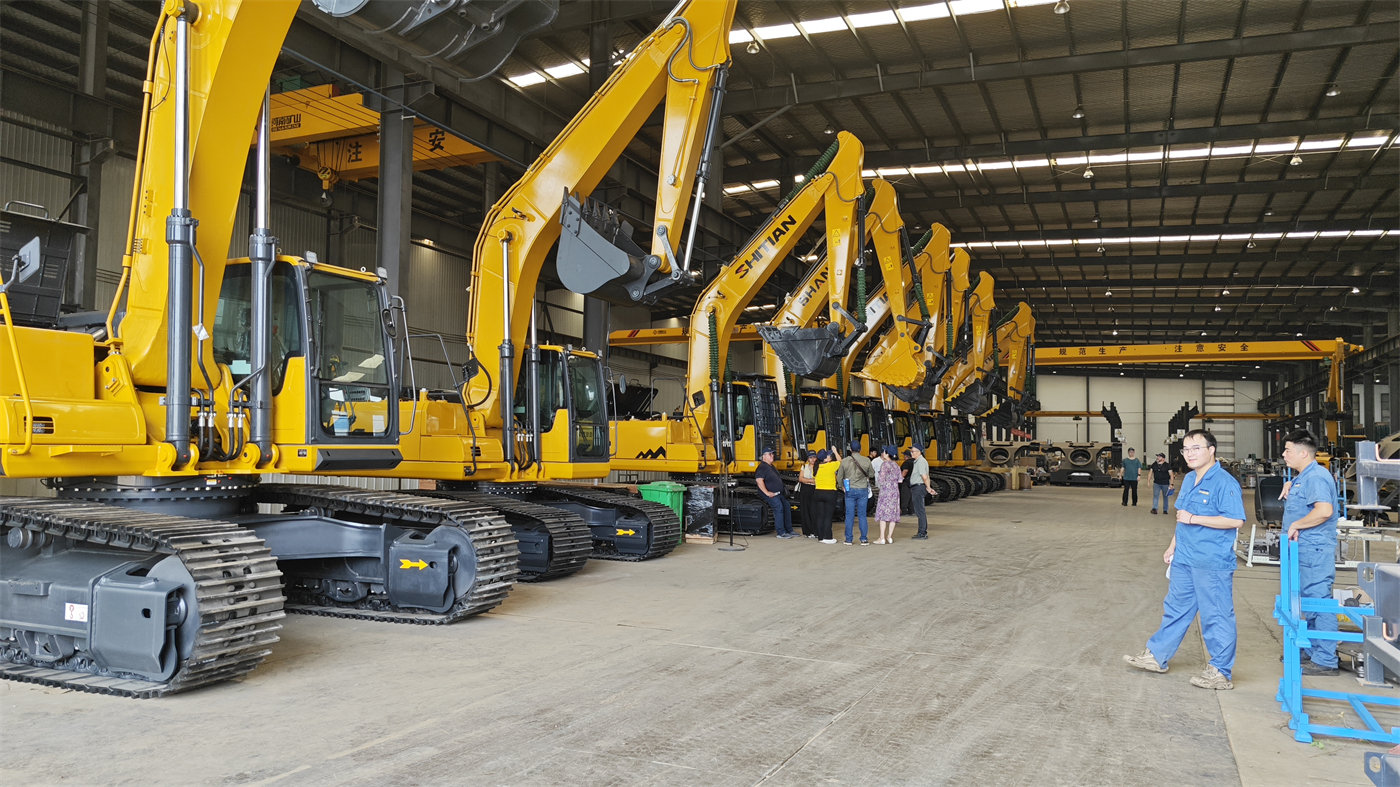
If the site shows repeated tooth slipping, the bucket can only be half-filled, or the arm struggles to crowd, the limiting point is on the digging force side. The material description and attachment configuration should be checked first, rather than comparing bucket capacity first.
Cases where bucket capacity becomes the limiting factor first
When hard soil can be penetrated normally and the bucket filled, but the truck capacity is large, the number of bucket passes each truck waits for is high, or the working face is narrow and causes a large swing angle, bucket capacity and cycle organization become the main constraints. Whether the 1.2 m³ bucket capacity is sufficient under such conditions must be calculated in conjunction with truck bed capacity, planned truck trips and loading-point layout, rather than looking only at the bucket capacity figure itself.
If bucket capacity is to be increased blindly at this point, it must also be confirmed whether the machine's hydraulic flow, arm and bucket structure, counterweight and travel stability can support it. The data does not provide other matching bucket capacity specifications, so this is a matter to verify with the supplier before purchase.

Dump height and truck alignment are easily overlooked
Hard-soil loading is not only about digging. The 7190 mm maximum dump height determines whether extra ground raising or reduced load is needed when dumping into a higher dump truck bed. If the truck bed side is high and the machine is positioned low, insufficient dump height will lengthen the dumping time for each pass and slow the cycle. In this case, neither bucket capacity nor digging force limits the cycle, but rather the working range and site layout.
Which conditions the data cannot confirm on site
- The specific category, strength, moisture content and presence of large rocks in the hard soil have no corresponding classification in the data and require on-site description or sampling.
- Truck bed capacity, bed side height and the route in and out of the loading point affect the actual match between bucket capacity and dump height.
- Working-face bearing capacity and positioning stability involve a ground pressure of 49.8 kPa, a track width of 600 mm and surface conditions, and require on-site judgment.
- Whether a hydraulic breaker is configured for pre-breaking must be checked separately against operating weight, hydraulic flow and pressure, attachment weight and connection dimensions; compatibility cannot be determined directly from this machine's parameters.
- Shift arrangements and continuous operating duration affect the refueling and maintenance rhythm corresponding to the 330 L fuel tank and 250 L hydraulic tank.
Conditions to provide when requesting a quotation
Before purchasing or renting, it is recommended to provide the supplier with the material category and strength description, truck bed capacity and bed side height, loading-point layout and swing angle, working-face bearing conditions, shifts and planned truck trips. The phrase "hard-soil loading" alone cannot determine whether bucket capacity or digging force limits the cycle first, nor whether the SH240-8 suits a specific site. The data gives the machine's capability boundaries; the judgment of which limits first must still return to site conditions.