



















Wetlands and deserts appear to be opposite types of sites: one is prone to sinking, the other to sand ingress. But when it comes to bulldozer configuration, they share a common purchasing challenge—dropping a general-purpose configuration straight into these conditions often leads to problems first in the travel, cooling, or protection systems. Based on publicly available information for the SD26 series 260-horsepower bulldozer, this article lists the items that need to be confirmed before purchase in order, making it easier to clarify conditions during the inquiry stage.
First Confirm Ground Conditions and Work Objectives
The starting point of a configuration checklist is not the machine, but the site. Before purchasing, at least the following items should be clearly described:
- Ground type: muddy soft soil, sand layer, saline-alkali land, frozen soil, or mixed ground, and the approximate bearing capacity level.
- Work content: whether it is pushing loose material, rough grading, or loosening hard layers with a ripper.
- Single-shift working hours and continuous operation requirements: whether long periods of full-load operation are needed.
- Site access roads and transport conditions: whether equipment width and weight are limited by existing roads or trailers.
The SD26 series covers standard, forestry, wetland, desert, sanitation, and rock specifications, but the materials do not list the exclusive parameters for each derivative model. Therefore, the specific components changed on the wetland and desert variants need to be confirmed with the manufacturer and cannot be inferred solely from the series name.
Travel System: Ground Pressure for Wetlands, Sand Protection for Deserts
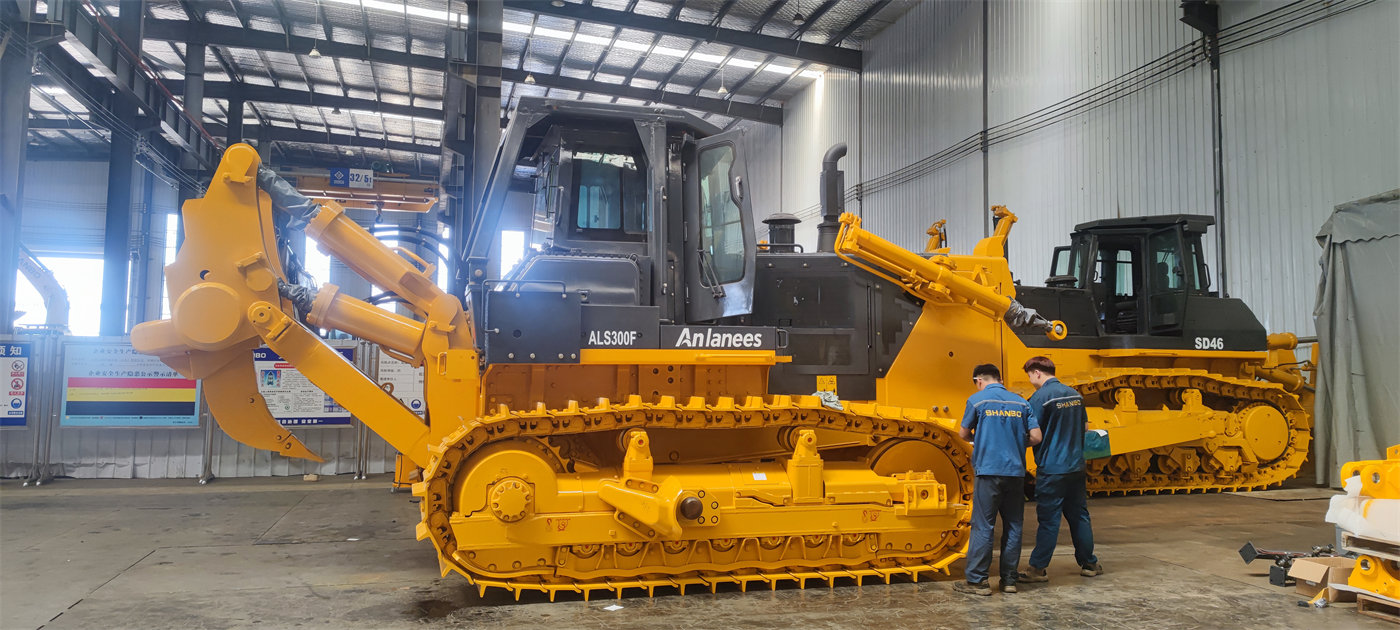
The SD26 standard model data gives an operating weight of 23,450 kg, ground pressure of 66 kPa, track shoe widths of 560, 610, and 660 mm, and a ground contact length of 2,872 mm. These values are the starting point for determining configuration direction, but the standard model's ground pressure cannot be directly equated to that of the wetland variant.
- Wetland operation: focus on whether wider track shoes are available, how much the corresponding ground pressure can be reduced, and the protection level of track rollers and track seals in muddy water environments.
- Desert operation: focus on the travel system's protection against fine sand, including sand-proof designs for track rollers, carrier rollers, and track tensioning mechanisms.
The materials mention that the SD26 uses automatic track tensioning technology and a semi-rigid suspension travel system, with an expanded ground contact area. However, the materials do not provide specific data on how these perform in wetland and desert environments, so purchasers should ask the manufacturer to explain the specific differences in travel components for the derivative models.
Blade and Ripper: Choose by Material, Not by Habit
The SD26 standard model is equipped with a straight tilt blade with a capacity of 4.6 m³, blade width of 3,725 mm, and height of 1,315 mm; angle blades, U-blades, and semi-U blades are optional. For rippers, the materials list a three-shank ripper weighing 2,600 kg with a maximum ripping depth of 666 mm, and also mention an optional large single-shank ripper.
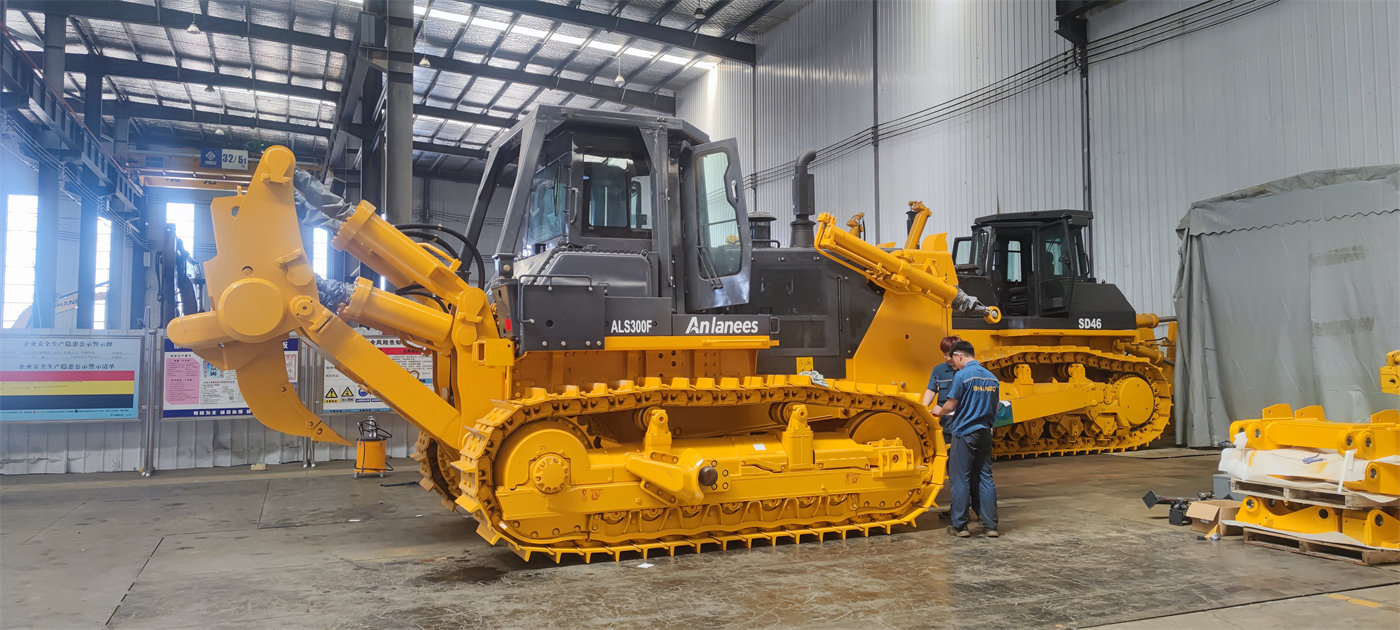
When pushing loose mud in wetlands, the relationship between blade capacity and push distance deserves more attention; for rough grading in desert sites, blade wear resistance and cutting angle are more important. If hard layers or frozen soil exist on the ground, the ripper configuration must be confirmed separately and cannot be assumed to be satisfied with the main machine by default. The final combination of blade and ripper should be determined based on material conditions and work sequence.
Cooling and Protection: Neither Site Type Can Be Ignored
The SD26 is powered by a Weichai WP12G280E304 engine with a net power of 194 kW (260 hp). The materials emphasize that the cooling system has been matched to work stably under full load and high-temperature environments. Desert high-temperature environments place more direct demands on cooling, so before purchasing, confirm the radiator dust screen, fan type, and ease of cleaning.

For wetland environments, attention should be paid to mud and water protection for the undercarriage and frame, and whether external side guards can effectively block debris. The materials mention that external side guards can prevent debris from clogging the engine and radiator, but do not specify additional sealing measures for the wetland variant, which need to be verified with the manufacturer.
Pre-Purchase Item-by-Item Checklist
| Check Item | Wetland Focus | Desert Focus |
|---|---|---|
| Track shoe width and ground pressure | Whether wider shoes are available, measured ground pressure values | Impact of standard or wider shoes on sand traversability |
| Travel component protection | Sealing and tensioning mechanisms in muddy water environments | Sand-proof structures for track rollers and carrier rollers |
| Blade configuration | Matching of capacity and push distance | Blade wear resistance and cutting angle |
| Ripper | Whether needed for soft soil | Whether needed for hard layers or salt crust |
| Cooling and air intake | Impact of mud and water splashes on radiator | Dust screen and cleaning interval |
| Cab and safety configuration | Anti-slip handrails and visibility | Air conditioning cooling capacity and sealing |
Matters Still Requiring Confirmation from the Manufacturer
- List of specific component differences between wetland and desert variants compared to the standard model.
- Operating weight and ground pressure values for each derivative model.
- Impact of wider track shoes on overall machine width and transport.
- Dust protection configuration and cleaning method for the desert variant's cooling system.
- Delivery lead time and spare parts supply scope.
Information Recommended for Inquiries
To enable the manufacturer to provide targeted configuration recommendations, it is best to also specify during the inquiry: material type and condition, site bearing capacity, single-shift working hours, push distance, whether ripping is required, transport road restrictions, and local temperature and wind-sand conditions. The SD26 series power, undercarriage, and work equipment data can serve as a basis for discussion, but the final configuration for wetlands and deserts should still be based on the manufacturer's confirmation for the specific site.