





















The choice of a bulldozer power solution is often simplified at the early procurement stage into a binary choice of "electric or fuel." However, what really determines whether equipment can keep working continuously on a site is often not the power type itself, but whether the construction site has the conditions to support that power type in operation. For crawler bulldozers mainly tasked with earthmoving and rough grading, fuel and electric solutions have different requirements for the site, power supply, and shift arrangements. This article does not presuppose which is better; instead, it lays out the decision sequence: first pass the site conditions, then look at equipment information.
Condition 1: Is on-site power supply capacity sufficient?
For an electric bulldozer to be deployed, there must first be an available power source. The construction site needs to confirm not only whether electricity is available, but also whether the supply capacity can cover the peak demand for bulldozer charging or battery swapping, how far the power connection point is from the working face, and whether capacity upgrades or temporary generation are needed. If the site itself is at the end of the grid, temporary power capacity is tight, or the working face moves frequently with progress, power supply conditions will become the first threshold for the electric solution.
The site currently does not have detailed product information for an independent electric bulldozer model, so this article does not make any inferences about the battery capacity, driving range, or charging time of specific electric models. These data need to be verified item by item with the manufacturer once real product information is available.
Condition 2: Do shift rhythm and refueling windows align?
Bulldozers usually operate continuously by shift in earthmoving and rough grading. The electric solution must consider: whether there is fixed downtime for refueling within a shift, whether refueling occurs during the day or at night, where charging piles or battery-swapping facilities are located, and whether backup equipment is available during refueling. The more continuous the shifts and the farther the working face is from fixed charging points, the greater the impact of refueling arrangements on construction organization.
The fuel solution is limited in this respect by refueling points and fuel supply, but refueling time is relatively short, which is one reason fuel bulldozers are still considered in continuous operation scenarios. Neither solution is absolutely superior; the key is whether the shift rhythm and refueling method can match.
Condition 3: Does the working environment impose additional restrictions on the power type?
Bulldozers are commonly used in construction, mining, wetlands, coal, sanitation, and forestry conditions. Enclosed or semi-enclosed sites and areas with exhaust emission requirements may bring the electric solution into discussion; while conditions far from the grid, with frequent relocations and harsh site conditions, require first assessing whether power supply facilities can keep up. The working environment is not the sole basis for selection, but it directly affects whether power supply and refueling conditions can be established.
Condition 4: Can equipment information support the judgment?
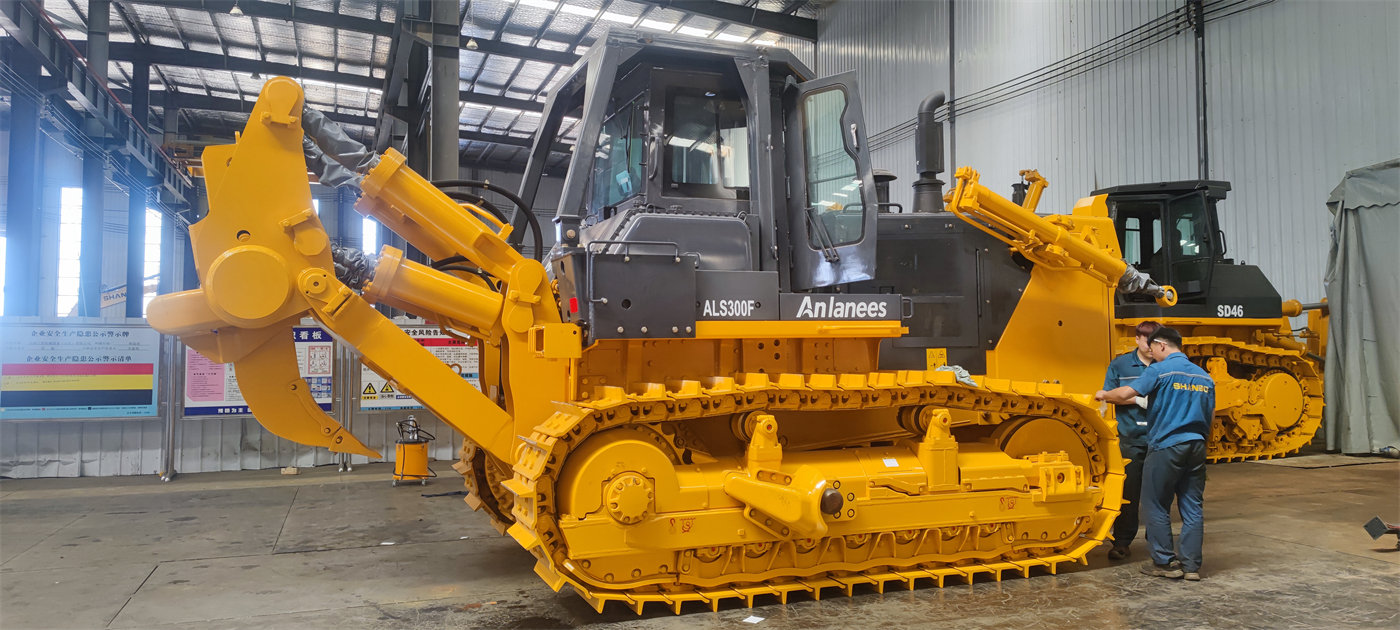
Only after passing the three conditions of power supply, shifts, and environment does the comparison of specific equipment information begin. Taking the site's DH17-G fuel bulldozer as an example, the verifiable information includes: equipped with a Weichai WP7 China IV engine, rated power 152 kW / 1800 rpm (178HP); adopts a dual-circuit electric hydrostatic drive system, supporting stepless speed regulation load steering and fixed steering; fuel tank capacity 352L; available in multiple versions including standard, super wetland, coal, sanitation, forestry, and desert versions.
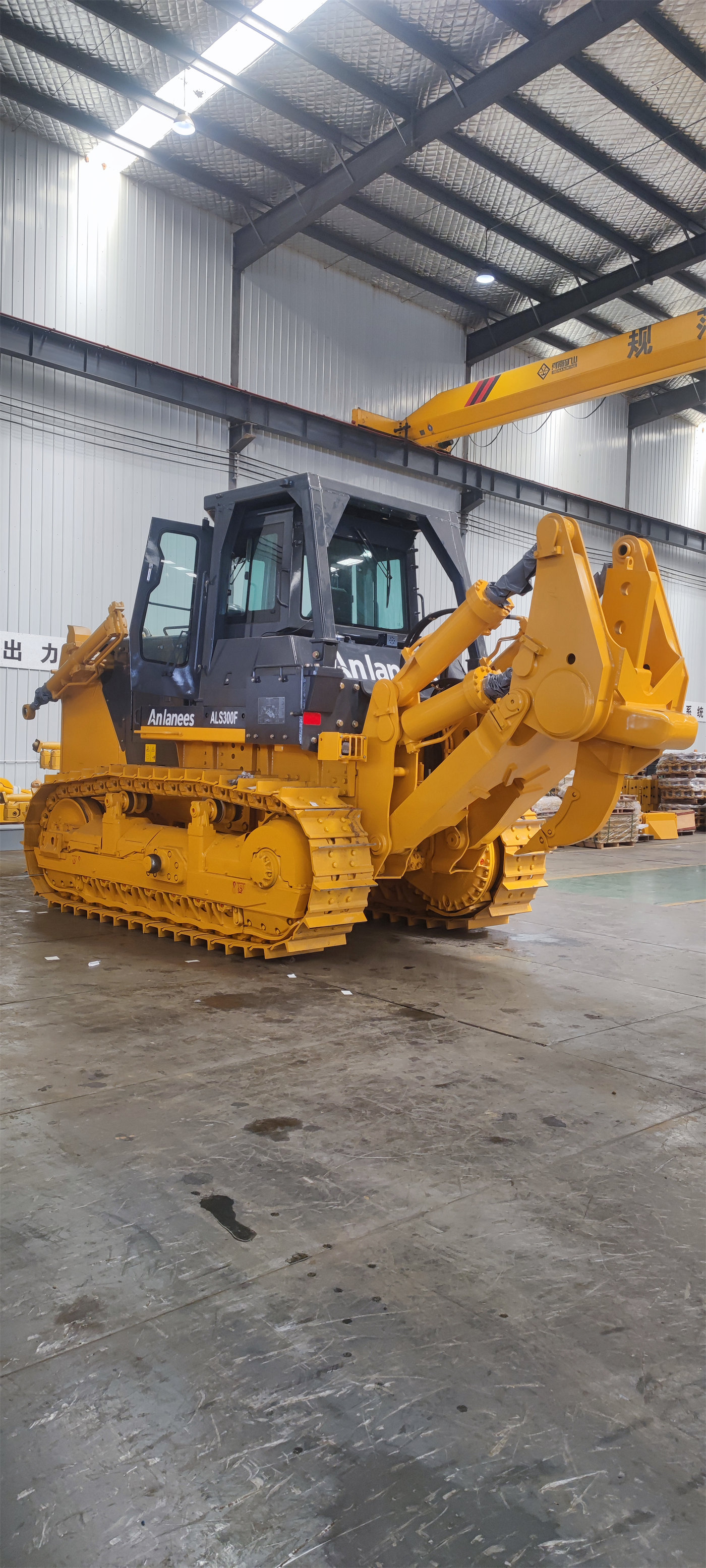
This information illustrates the available range of fuel bulldozers in terms of power output, transmission form, and version configuration, and does not constitute a rejection of the electric solution. Conversely, information on electric bulldozers such as motor power, battery type, charging interface, and protection rating is currently incomplete on this site and needs to be confirmed with the manufacturer before selection.
Site conditions that the fuel solution can correspond to
- The working face is far from a fixed power source, and laying power lines is costly or infeasible;
- Shifts are continuous and refueling windows are short, requiring faster return to operation;
- Different versions are needed for wetland, coal, sanitation, and other conditions; the DH17-G information lists these version directions;
- The site already has mature fuel supply and maintenance support.
Items to confirm with the manufacturer for the electric solution
- Whether there are corresponding specific electric bulldozer models and complete technical parameters;
- Measured or calibrated data on battery capacity, endurance time, and charging time;
- Charging facility requirements: voltage, power, interface type, and whether dedicated charging piles are needed;
- Adaptability to the working environment: protection descriptions under conditions such as dust, humidity, and low temperature;
- Differences from fuel versions in maintenance and spare parts supply.
Summary of the decision sequence
Connecting the above conditions, the judgment path for a construction site is roughly: first confirm whether power supply capacity and connection conditions are established; then check whether shift rhythm and refueling windows can match; then see whether the working environment imposes additional requirements on the power type; and only then proceed to comparison of specific model information. If any condition is not met, it means the power solution needs to be re-evaluated, rather than selecting equipment first and supplementing conditions afterward.
| Decision condition | Items to verify | Handling when information is insufficient |
|---|---|---|
| Power supply capacity | Available capacity, distance to connection point, whether capacity upgrade is needed | List as a prerequisite, do not presuppose conclusions |
| Shifts and refueling | Continuous operation duration, refueling windows, backup equipment | Calculate based on actual construction organization |
| Working environment | Degree of site enclosure, emission requirements, relocation frequency | Confirm item by item based on site conditions |
| Equipment information | Model, power, transmission form, version configuration | Electric model information must be requested from the manufacturer |
It should be noted that the DH17-G is a fuel bulldozer, and its information cannot be used to infer the performance of an electric bulldozer. Before independent model information for electric bulldozers is completed, the electric solution can only be discussed conditionally, and model recommendations should not be given directly. If the power supply and refueling conditions at the construction site are not yet clear, prioritize verifying the conditions before entering the equipment comparison stage.

Site information to provide when requesting a quote
Regardless of which power solution is preferred, when requesting a quote from a manufacturer or dealer, it is recommended to provide the following information together so that the other party can judge whether the solution is feasible:
- Type of working material, pushing distance, and rough grading area;
- Site power supply conditions: existing capacity, location of connection point, whether capacity upgrade is possible;
- Daily shift arrangements and continuous operation duration;
- Working environment characteristics: whether the site is enclosed, whether there are emission requirements, and ground bearing conditions;
- Existing supporting equipment and maintenance conditions;
- If considering an electric solution, also explain the charging facility plan or battery-swapping arrangements.
The choice of power solution must ultimately be based on site conditions. Verifying the conditions first and then discussing equipment is more reliable than deciding on equipment first and supplementing conditions afterward.