





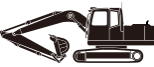













Loading points in open-pit mines are usually platforms carved out between stripping, blasting, and haulage operations. Once an excavator enters, the swing space, dumping height, and haul truck turnaround routes are largely fixed. Reworking the machine's position is not just a matter of moving the equipment; it also affects haul truck scheduling and subsequent shift planning. Therefore, what truly needs to be done in advance is to compare the site conditions at the loading point with the equipment specifications item by item, rather than waiting until the machine arrives to find solutions.
This checklist is intended for contractors and procurement personnel who are preparing to set up a loading point in an open-pit mine and are considering deploying a medium-to-large crawler excavator. The verification sequence follows site constraints, and the equipment specifications section uses the SH330 from this site as an example to illustrate which conditions can be matched and which still need to be verified with the manufacturer.
First, clarify what operations the loading point must accomplish
The core task of a loading point is to load blasted ore or stripped material into haul trucks. However, loading operations vary significantly across different mines: some require a full bucket load to reduce truck positioning frequency; some focus on whether the dumping height can clear the truck sideboards; others are constrained by platform width, where the machine must not contact the bench slope during swing. These objectives should be clearly defined before reviewing equipment specifications.
- Material conditions: blast fragmentation, soil content, moisture content
- Haul truck model and body height, and required dumping clearance
- Loading point platform dimensions and rear bench height
- Planned loading volume per shift and continuous operation duration
- Ground bearing conditions: native rock surface, backfilled platform, or soft water-bearing foundation
These five conditions determine whether the equipment can operate continuously after entering the loading point, rather than merely checking whether a single parameter is large enough.
Verification of site dimensions and swing space
The most common cause of rework at loading points is conflict between the machine's tail swing radius and the platform edge, bench slope, or haul truck passage. The SH330 has a tail swing radius of 3480 mm, overall dimensions of 11015×3200×3168 mm, wheelbase of 3800 mm, track gauge of 2590 mm, and minimum ground clearance of 470 mm. Comparing these dimensions with the loading point layout plan allows an initial assessment of how much space needs to be reserved behind the machine after positioning.
Items to verify include:
- Whether the loading point platform width covers the overall machine width plus safety margins on both sides
- Distance from the tail to the bench crest line or haul truck passage during swing
- Whether the track positioning area avoids goaf areas, weak interlayers, or water accumulation zones
- Relative relationship between the haul truck parking position and the excavator swing center during loading
Sufficient platform dimensions are only the first step; the actual posture of the machine during the loading cycle must also be considered. The SH330 has a minimum swing radius of 3643 mm, which is worth verifying when the platform is narrow and the machine needs to be positioned near the slope side.
Correspondence between material conditions and digging force, bucket capacity
Loading efficiency is greatly affected by material conditions. For ore rock with large blast fragmentation and poorly developed joints, large bucket capacity alone cannot ensure a full load; when the material contains much soil and high moisture, the bucket is prone to material sticking during dumping. The SH330 has a bucket capacity of 1.6 m³, maximum bucket digging force of 244 kN, maximum arm digging force of 200 kN, and system pressure of 35 MPa. These values correspond to penetration and filling capability in medium-hard to hard materials, but cannot be directly converted into the actual loading cycle at a specific mine.
Material conditions need to be clearly stated before procurement:
- Maximum fragmentation after blasting and common fragment size distribution
- Whether the material requires secondary breaking before loading
- Material moisture content and sticking tendency
- Whether the bench height matches the bucket digging face
If the material fragmentation significantly exceeds the normal bucket loading range, or if breaking is required before loading, adjusting bucket capacity alone cannot solve the problem; the breaking stage should be considered in the plan.
Dumping height and haul truck positioning
If high-sideboard or large haul trucks are used at the loading point, insufficient dumping height will prevent the bucket from clearing the truck sideboards, requiring repeated position adjustments during loading. The SH330 has a maximum dumping height of 7625 mm and maximum digging height of 10491 mm. These values should be compared with the upper edge height of the haul truck sideboards, while allowing a safety margin during bucket dumping.
Positioning also requires verification of:
- Whether the haul truck parking angle at the loading point facilitates bucket coverage of the full truck body length
- Whether additional margin for dumping height is needed after material accumulates in the truck body
- Whether ground level differences at the loading point will cause actual dumping height to be lower than the specification value
The dumping height in the specifications is the value under standard machine posture; in actual operation, it is affected by track positioning and ground slope, and requires on-site re-measurement for confirmation.
Relationship between working radius and bench layout
Loading points in open-pit mines are usually adjacent to bench slopes, and the excavator must cover the loading area while maintaining a safe distance. The SH330 has a maximum digging radius of 10709 mm, maximum digging depth of 6437 mm, and maximum vertical digging depth of 5831 mm. These range specifications help determine whether the machine can cover the loading point and necessary cleanup areas from a given platform.
Boundaries to confirm in advance include:
- Minimum safe distance from the loading point platform to the bench crest line
- Whether there are cables, pipelines, or haul truck passages within the swing range that require avoidance
- Whether the maximum digging radius can cover corner areas during working face cleanup
Working range values cannot directly replace on-site safety distance judgment; the crest line position, bench height, and slope stability must be confirmed by on-site technical personnel.
Travel and relocation conditions
Loading points in open-pit mines may move with mining progress, requiring equipment to relocate between different platforms. The SH330 has a gradeability of 35°, minimum ground clearance of 470 mm, and wheelbase of 3800 mm. These conditions correspond to the general capability for short-distance self-propelled travel within the mine, but do not mean the machine can traverse any slope.
Before relocation, verify:

- Maximum slope and road surface conditions on the relocation route
- Whether road width and turning radius along the route accommodate the overall machine dimensions
- Whether flatbed truck transport is required, and loading/unloading site conditions
- Whether haul truck passages need temporary adjustment during relocation
For long-distance relocation or complex slope conditions, flatbed truck transport should be prioritized rather than relying on self-propelled travel.
Supporting conditions and items still requiring confirmation
Whether the loading point can operate continuously also depends on haul truck turnaround, fuel supply, maintenance arrangements, and operator staffing. These conditions are not related to the equipment itself but directly affect whether the loading point can operate as planned.
- Whether the number of haul trucks matches the loading cycle, avoiding waiting or queuing
- Fuel supply method and per-shift supply time arrangement
- Site conditions for routine maintenance and wear part replacement
- Distance from the loading point to the crushing station or dumping point
In addition, the following items are not directly addressed in the specifications and require confirmation from the manufacturer or on-site technical personnel:
- Whether the ground bearing at the loading point meets the machine's ground pressure requirements
- Whether material fragmentation and hardness are within the normal bucket working range
- Whether the configured bucket type is suitable for the mine's material
- Actual loading cycle and fuel consumption in operation
Site information recommended before inquiry
When inquiring with equipment suppliers, clearly describing the actual conditions at the loading point is more helpful for determining whether the equipment is suitable than merely asking about model and price. The following information is recommended:
- Material type, fragment size distribution, and moisture condition
- Loading point platform dimensions, bench height, and ground conditions
- Haul truck model, sideboard height, and quantity
- Planned loading volume per shift, operating shifts, and continuous operation duration
- Relocation route and transport method
- Existing supporting equipment and staffing
This information helps the equipment supplier determine whether the SH330's bucket capacity, digging force, and working range match the loading point conditions, and can also expose aspects requiring adjustment in advance. Final selection should still be based on on-site re-measurement and manufacturer-confirmed configuration data, and conclusions should not be drawn from a single parameter alone.