












The loading cycle in a deep pit is often not determined by a single bucket capacity figure. The deeper the bench, the larger the working radius the equipment must cover; the harder the material, the more critical the digging force when the bucket penetrates; the narrower the undercarriage or the higher the ground pressure, the smaller the stability margin on soft, inclined pit roads. The match between haul trucks and bucket also limits cycle time. Breaking down "where the loading cycle comes from" is really asking: can the equipment's power, working range, digging force, and undercarriage conditions form a continuous match with the deep pit's bench layout and haulage organization?
Four Practical Constraints of Deep Pit Loading
Assumed scenario: a deep pit using bench mining that needs to load blasted ore or overburden into haul trucks. Such scenarios typically face the following constraints, which must be verified item by item before selection:
- Working radius and bench height: The equipment must cover the loading point from a safe position; maximum digging radius and dumping height must correspond to the bench layout.
- Material hardness and digging force: When blasting is suboptimal or hard rock interlayers are encountered, bucket digging force determines whether penetration can be achieved in one pass.
- Pit roads and ground bearing: Pit road gradient, curves, and surface softness affect equipment travel stability and cycle efficiency.
- Truck matching: Bucket capacity and truck body volume, and the number of trucks, must form a reasonable number of loading passes; otherwise waiting or spillage occurs.
These conditions cannot be covered by a single parameter. Below, based on verified SH1250LC data, we explain which features correspond to the above needs and which conditions still require confirmation before purchase.
Why Working Range Is Considered Before Bucket Capacity
In a deep pit, the loading point is often not directly in front of the equipment; the bench face, safety berm, and truck parking position together determine the actual working radius. The SH1250LC has a maximum digging radius of 13,875 mm, maximum digging height of 12,480 mm, maximum digging depth of 8,165 mm, and maximum dumping height of 8,065 mm. These figures indicate the model is designed to cover a large working range, reducing frequent repositioning in deep pit bench layouts. However, working range is only one basis for position selection; whether the loading point can actually be covered must also be calculated with bench slope angle, safety distance, and truck parking position.
Note that a large working range does not mean any bench height is suitable. If the bench is too high or the loading point exceeds dumping height, bench slicing or equipment position must still be adjusted. This should be verified with site cross-section drawings during the planning stage, not judged solely from the specification sheet.
Relationship Between Digging Force and Bucket Capacity
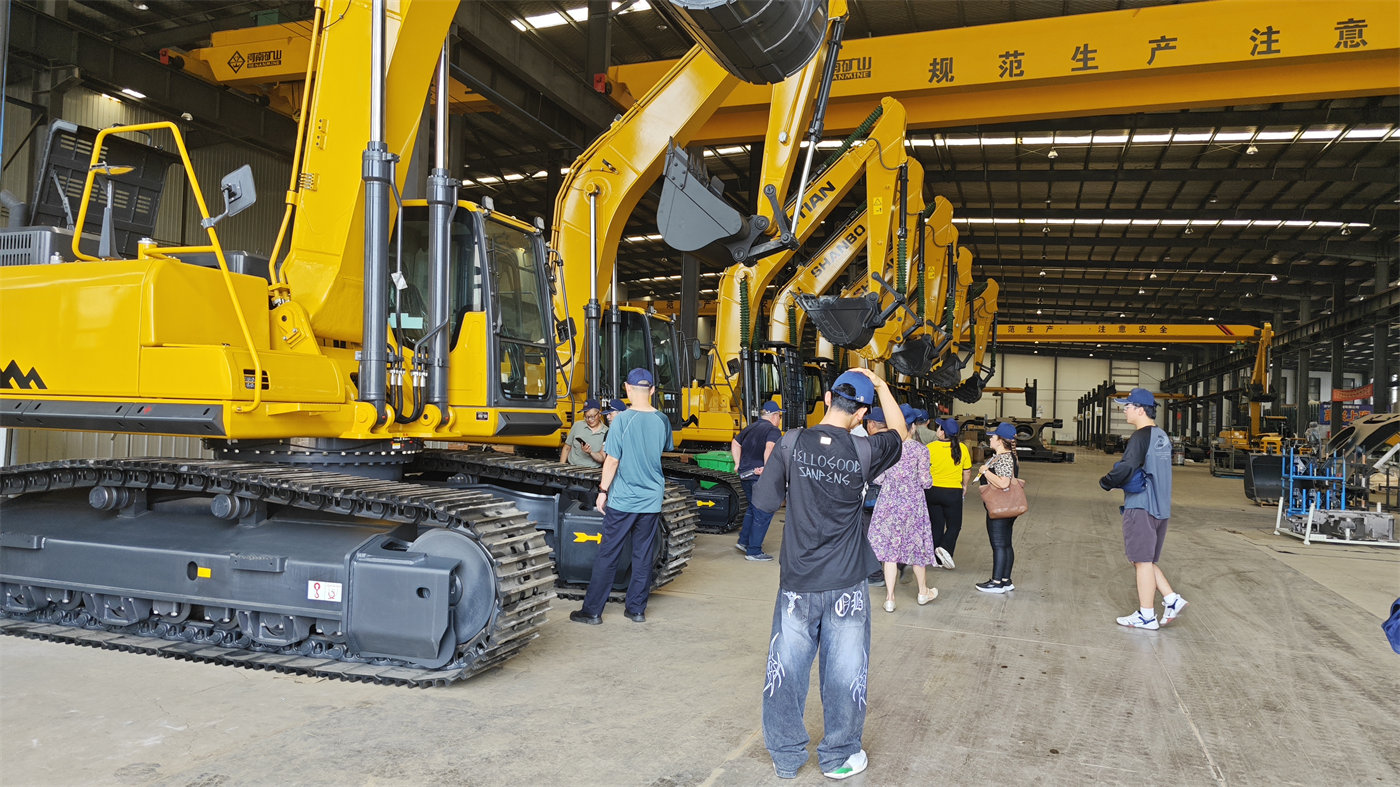
The SH1250LC has a bucket capacity of 7.5–10 m³, bucket digging force of 610 kN, and stick digging force of 532 kN. A large bucket capacity reduces loading passes in loose material, but in hard rock or dense material, whether the bucket can penetrate smoothly depends on the match between digging force and material conditions. If the blasted material has large fragmentation or hard interlayers, selecting the lower bucket capacity while maintaining sufficient digging force is often more conducive to continuous cycling than pursuing maximum bucket capacity.
Two concepts need to be distinguished here: bucket capacity affects the material volume per pass, while digging force affects whether each pass can be filled. The two do not necessarily change in the same direction; during selection, material properties, blasting quality, and bucket type should be checked together.
Undercarriage and Travel Conditions for Deep Pit Roads
The SH1250LC has an operating weight of 120,000 kg, overall width of 5,385 mm, track gauge of 3,900 mm, standard track shoe width of 700 mm, ground pressure of 147 kPa, traction force of 745 kN, gradeability of 70% (35°), and travel speed of 2.4/3.5 km/h. The reinforced undercarriage and wider track system provide a stable foundation for heavy-load travel in deep pits, but a ground pressure of 147 kPa means there are certain requirements for road bearing capacity. If pit roads are on soft soil or fill areas, assess whether sinking or travel difficulties may occur; if necessary, consider this together with road maintenance plans.
Gradeability of 70% is equipment capability data and does not mean all slopes can be traversed directly. Actual slope adhesion conditions, curve radius, and road surface material all affect travel safety; road conditions must be verified before mobilization.
Link Between Power and Continuous Operation
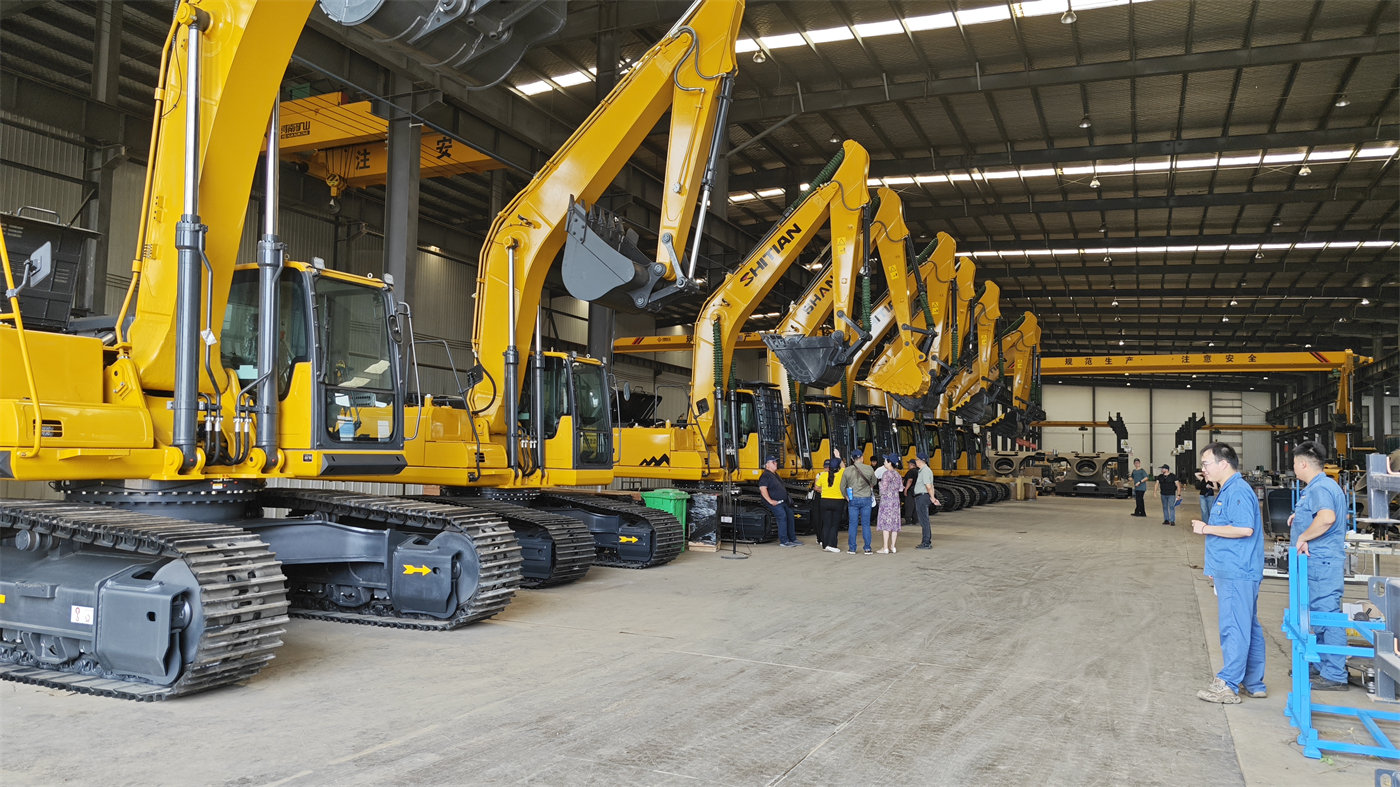
This model is equipped with a Weichai 8M33 engine, displacement 26.1 L, rated power 680 kW (912.7 HP), and swing speed 5.5 r/min. The large-displacement engine provides torque reserve in continuous heavy-load cycles; together with swing speed, it affects the cycle time per bucket from digging to dumping. However, cycle time is also affected by operator habits, truck positioning, and material conditions; actual shift output cannot be inferred from engine data alone.
Before purchase, calculate equipment utilization based on planned shifts, material swell factor, and number of trucks. If the number of trucks is insufficient or loading point layout is unreasonable, the equipment's power advantage will be difficult to convert into loading cycle.
Matching Boundaries with Haul Trucks
A 7.5–10 m³ bucket corresponds to trucks with different body volumes, and the number of loading passes will vary significantly. If bucket capacity is too large and truck body volume is too small, spillage or multiple repositioning is likely; if bucket capacity is too small, loading passes increase and cycle time lengthens. The SH1250LC's bucket capacity range provides adjustment space, but the specific selection must be determined based on truck parameters and material density. This item should be verified with the supplier during inquiry, not assumed that one bucket capacity fits all fleets.
Checklist Before Purchase
- Deep pit bench height, slope angle, and loading point layout drawings, to verify coverage of maximum digging radius, digging height, and dumping height.
- Material properties: hardness, fragmentation, swell factor, to determine whether to select the upper or lower bucket capacity limit.
- Pit road gradient, surface material, and bearing conditions, to assess whether ground pressure of 147 kPa and gradeability of 70% meet travel requirements.
- Truck body volume and number, to calculate loading passes and cycle matching.
- Planned shifts and workload, to assess the match between power configuration and continuous operation.
- Local emission requirements and service network, to confirm engine configuration and after-sales support conditions.
If any of the above conditions—bench layout, material hardness, or road bearing—exceeds the range covered by equipment data, further verification with the supplier or adjustment of the operating plan is required, rather than drawing conclusions directly from the specification sheet.

Applicable Boundaries and Items to Be Confirmed
SH1250LC documentation positions it for extreme open-pit mining, large-scale bulk excavation, large infrastructure projects, and deep pit operations. Based on verified parameters, its large working range, large bucket capacity, and relatively high digging force correspond to the continuous operation needs of deep pit loading. However, note: the documentation does not provide actual shift output, fuel consumption, maintenance intervals, or specific compatible truck models; these must be confirmed during the inquiry stage. In addition, the adaptability of 147 kPa ground pressure on soft ground and engine compliance with local emission regulations should also be verified according to the project location.
If project scale, bench height, or truck matching conditions differ significantly from the assumed scenario above, equipment conditions should be re-verified; this plan should not be directly applied.
Information to Provide During Inquiry
When requesting a quote from the supplier, it is recommended to provide: material type and hardness, blast fragmentation, bench height and slope angle, loading point layout, truck body volume and number, pit road gradient and surface conditions, planned shifts and daily workload, local emission requirements, and after-sales service needs. This information helps the supplier determine bucket capacity selection, undercarriage configuration, and delivery conditions, and also reduces plan adjustments caused by site condition mismatches.