

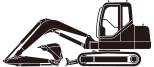

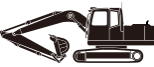









Heavy earthmoving loading and deep foundation excavation are often lumped together on site as simply "we need a big machine." But these two types of work have different bottlenecks: the former is constrained by material throughput per bucket and coordination with haul trucks, while the latter is constrained by whether the machine can reach the design elevation, vertical faces, and boom loads. Applying the same selection criteria to both can easily leave margin in one application and fall short in the other.
This article addresses this difference using the verified sample of the SH380H crawler excavator product data from this site. The values cited come only from this model's data and are not extrapolated to other tonnage classes or other models.
First, separate the two operational objectives
Heavy earthmoving: bucket capacity and throughput are the main line
Large-scale earthmoving loading focuses on how much loose material each bucket can carry, whether boom and stick response can keep up within a work cycle, and how much time is spent stopped waiting for trucks. Bucket capacity, swing speed, and whole-machine stability are the first items to examine.
Deep foundation: reach and depth capability are the main line
Deep foundation excavation is more concerned with maximum digging depth, maximum vertical digging depth, maximum digging radius, and whether arm force remains sufficient at that depth. A large bucket capacity does not necessarily mean smoother deep excavation; deep conditions often require reducing bucket capacity or controlling per-bucket load, and this should be clarified before acceptance.
Which values in the SH380H data correspond to which type of requirement
The verified SH380H data includes: the machine is a 38-tonne-class crawler hydraulic excavator, engine model SL 9, rated power 219kW/1900rpm, bucket capacity 1.7m³, system pressure 35MPa, maximum bucket digging force 244kN, maximum arm digging force 200kN, maximum digging radius 11178mm, maximum digging depth 7372mm, maximum vertical digging depth 6731mm, maximum digging height 10511mm, maximum dumping height 7572mm, minimum swing radius 3865mm, swing speed 0-11rpm, maximum gradeability 35°, overall dimensions 11285×3190×3664mm, minimum ground clearance 536mm, tail swing radius 3590mm.
| Requirement focus | Main corresponding values | Items still to verify |
|---|---|---|
| Earthmoving loading and material throughput | 1.7m³ bucket, 0-11rpm swing, 7572mm maximum dumping height, 244kN bucket digging force | Haul truck bed height and bucket capacity match, loading platform layout, soil loosening factor |
| Deep foundation trenching and deep soil extraction | 7372mm maximum digging depth, 6731mm maximum vertical digging depth, 200kN arm force, 11178mm maximum digging radius | Design elevation and working face height difference, support method, deep soil conditions and groundwater |
How to use parameters to judge loading conditions
The combination of 1.7m³ bucket capacity and 0-11rpm swing speed must first be checked against haul truck specifications: how many buckets fill a truck, and whether a safe drop is maintained between the bed height and the 7572mm maximum dumping height, both affect actual loading rhythm. The 244kN bucket digging force and 35MPa system pressure indicate that the hydraulic side has the basis for heavy-duty digging, but loading efficiency also depends on platform layout, vehicle dispatch, and material condition; equipment parameters alone cannot yield a production conclusion.
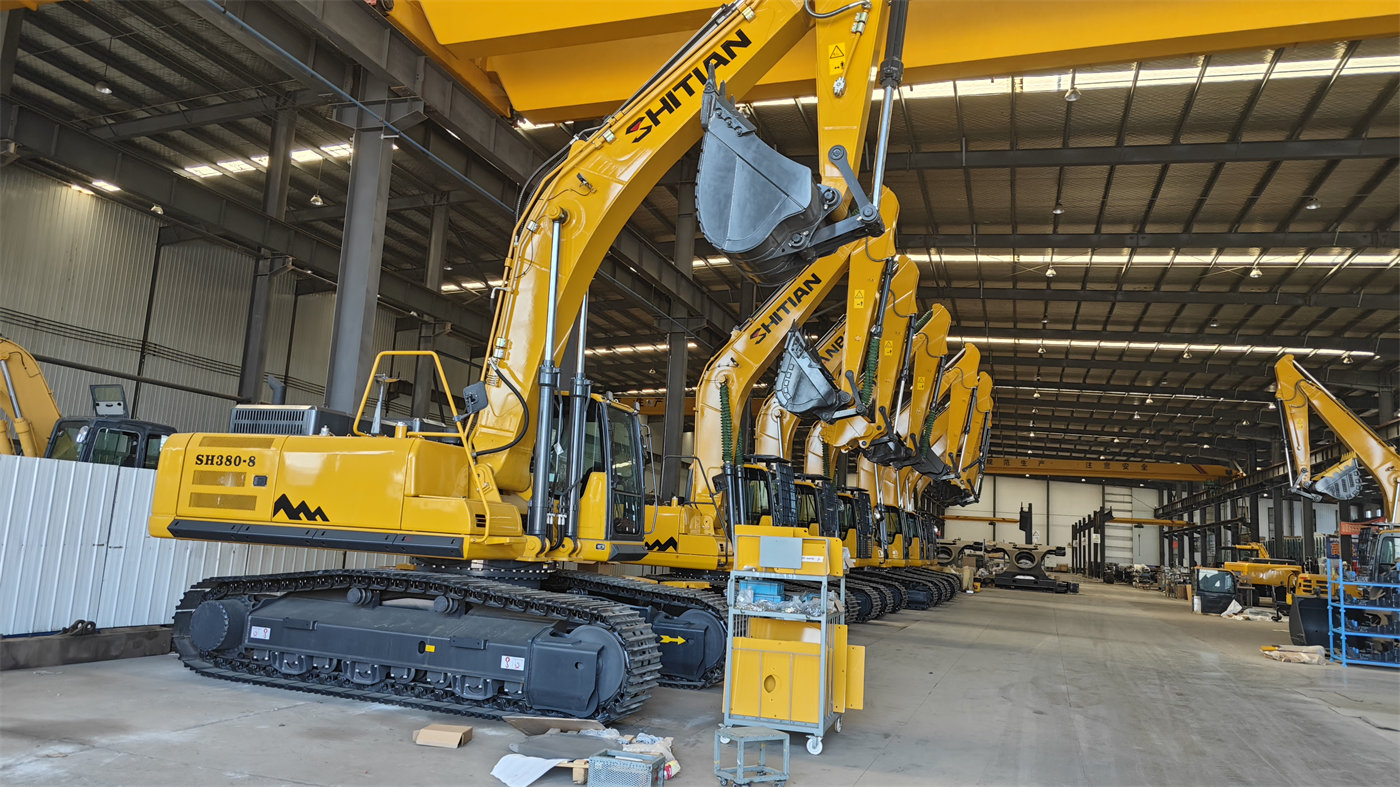
The machine width of 3190mm, tail swing radius of 3590mm, and minimum swing radius of 3865mm can become limiting conditions earlier than bucket capacity when loading points are tightly spaced, adjacent to an edge, or near structures. If on-site operations require swing close to an edge or two machines working on the same platform, swing space should first be drawn into the layout plan before discussing bucket capacity and cycle time.
Which values will hit boundaries first in deep foundation conditions
The 7372mm maximum digging depth and 6731mm maximum vertical digging depth are the direct basis for judging whether the design depth can be reached in one pass. However, deep foundations often have support, dewatering, or layered excavation requirements, so the actual usable depth will be less than the nominal working range and must be checked layer by layer according to the excavation plan.

As depth increases, boom extension and soil lifting distance become longer; the 200kN maximum arm digging force and 244kN bucket digging force are the basis for judging whether per-bucket load should be reduced or the digging method changed at depth. The data does not provide a digging force reduction curve at different depths, so it cannot be inferred that full-bucket operation remains possible at a given depth; this item should be listed as pending confirmation.
Verification conditions that cannot be omitted for either type of application
- Ground bearing and travel conditions: the data gives a minimum ground clearance of 536mm and maximum gradeability of 35°, but the bearing capacity of soft ground, backfill areas, or temporary roads must be separately assessed on site.
- Transport and relocation: the 11285mm overall length imposes requirements on transport vehicles and access roads; specific limits must be checked against local regulations and road conditions.
- Matching attachments: if a hydraulic breaker is needed for deep foundation or hard rock sections, working weight, hydraulic flow and pressure, attachment weight, and connection dimensions must be verified item by item; this data does not include breaker matching conclusions.
- High-altitude or high-temperature environments: the data mentions turbocharging and thermal management, but there is no performance data for corresponding environments, which must be confirmed with the supplier.
Information to provide together when requesting a quotation
Writing the two types of requirements separately is more effective than reporting only a tonnage: for the earthmoving loading portion, provide material type, loosening factor, haul truck bed dimensions and height, daily loading volume, and working platform layout; for the deep foundation portion, provide design depth, vertical face requirements, support and dewatering plans, and layered excavation method; also state shift arrangements, access road limits, ground bearing conditions, and whether matching attachments are needed. Price, delivery lead time, and specific application suitability conclusions not covered in the data must be confirmed item by item during the quotation stage.