

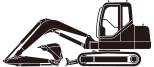
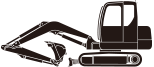
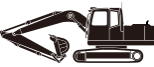
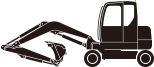






Deep foundation pit bottom cleaning and high slope excavation share one thing in common: whether the machine can dig deep enough and reach far enough often determines earlier than bucket capacity whether the equipment can do the job. No matter how large the bucket, if the maximum digging depth cannot reach the pit bottom, the maximum digging radius cannot cover the slope toe, or the clearance between the boom swing and the haul truck or slope is insufficient, the machine cannot form a smooth loading cycle. This article breaks the work objectives into verifiable conditions, then uses the public data of a 38-ton crawler excavator for comparison.
First break "deep" and "high" into checkable numbers
Deep foundation excavation cannot be judged by pit depth alone. In practice it should be broken into four items: maximum digging depth from the parking surface to the pit bottom, vertical digging depth when continuing downward from the pit bottom, the height the bucket must be raised to during dumping, and the farthest radius the machine can cover when standing at the pit edge. For slope excavation, attention should go to maximum digging height and maximum digging radius—the higher the slope face, the farther the machine must stand, or the larger the range needed to avoid repeated repositioning.
Two other items are easily overlooked: minimum swing radius and tail swing radius. If there are retaining structures, supports or existing pipelines around the pit, the area swept by the tail during swing directly limits the standing position. Putting these conditions together with the planned haul truck bed height forms a complete "depth—radius—dump" chain.
Compare requirements with the data of a 38-ton crawler excavator
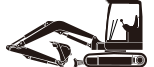
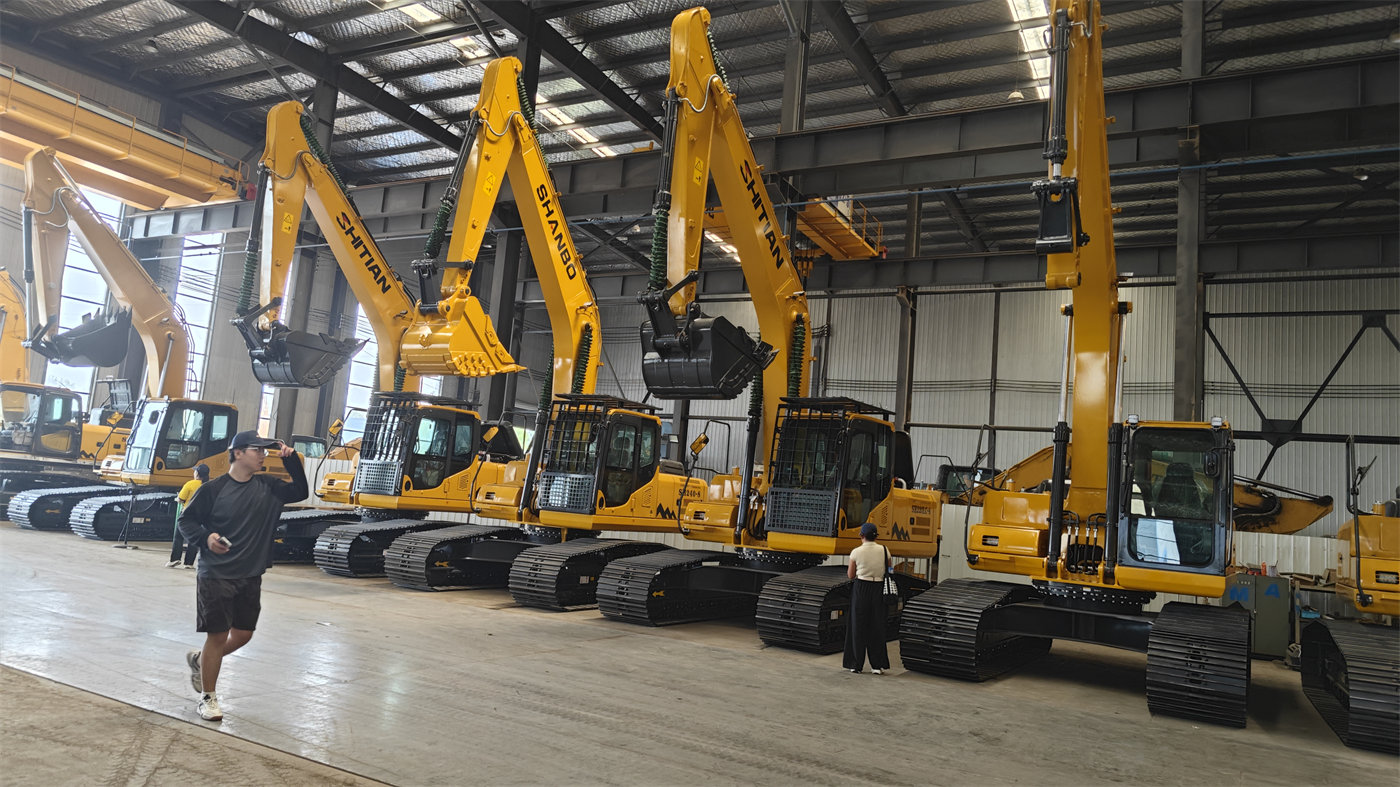
Take the SH380h in this site's product data as an example. It is a 38-ton crawler excavator equipped with a 1.7m³ bucket, SL 9 turbocharged engine (rated power 219kW), 35MPa high-pressure hydraulic system, maximum bucket digging force 244kN and maximum arm digging force 200kN. The working range given in the data is: maximum digging depth 7372mm, maximum vertical digging depth 6731mm, maximum digging height 10511mm, maximum dump height 7572mm, maximum digging radius 11178mm, minimum swing radius 3865mm, tail swing radius 3590mm. Overall dimensions are 11285×3190×3664mm, minimum ground clearance 536mm, maximum gradeability 35°.
These figures correspond to specific questions:
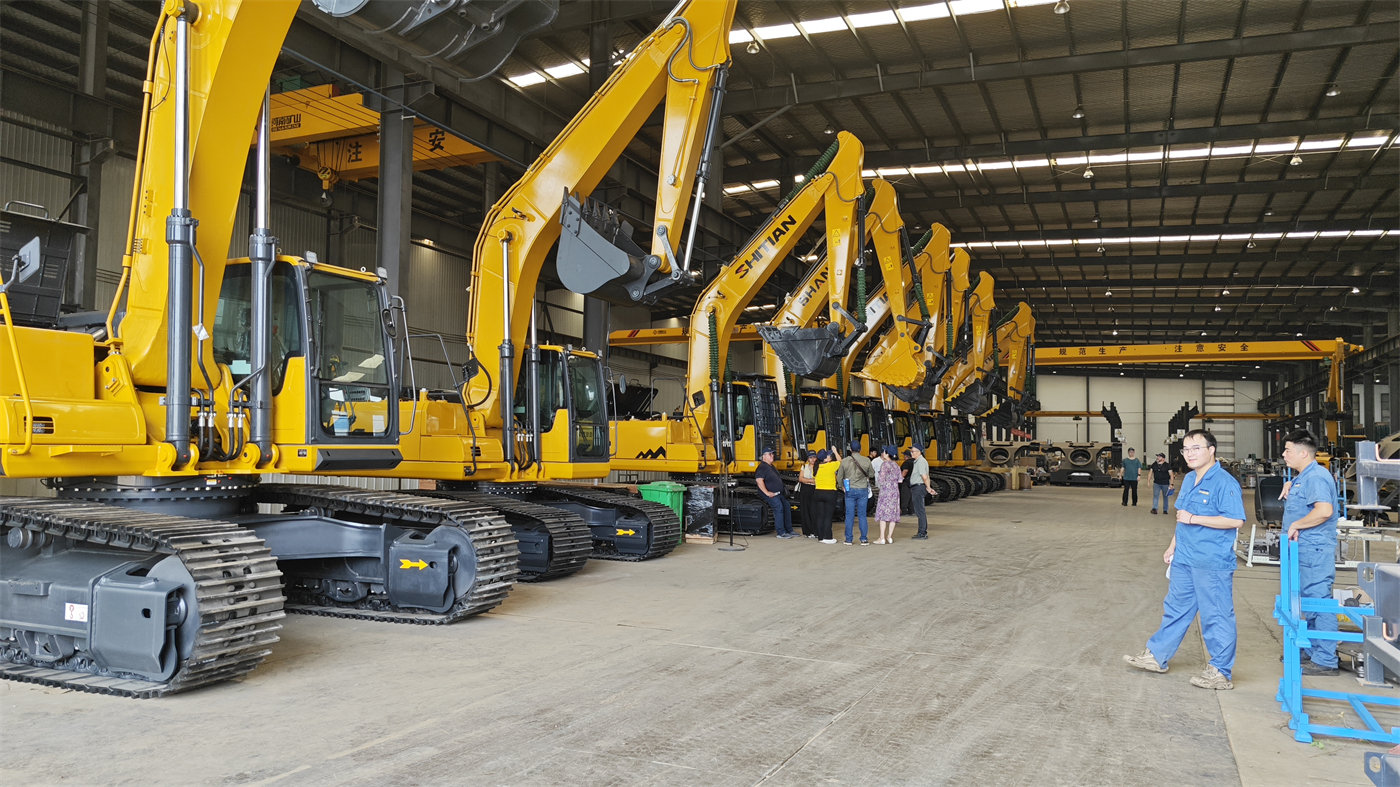
- Pit bottom cleaning: maximum digging depth and maximum vertical digging depth together determine whether the machine can level the pit bottom without repeated repositioning; the smaller the difference between the two, the more concentrated the available stroke for vertical digging.
- High slope excavation: maximum digging height and maximum digging radius determine how high a slope face the machine can cover when standing at the slope toe or on a bench; if the slope face exceeds the range, platforms must be cut in layers rather than continuing to enlarge the equipment.
- Loading connection: the maximum dump height of 7572mm must be compared with the haul truck sideboard height; an excessively high dump point increases material spillage and swing waiting.
- Restricted standing position: the minimum swing radius of 3865mm and tail swing radius of 3590mm are used to judge whether there is swing space at the pit edge and beside retaining structures.
Where bucket capacity fits in the judgment
Bucket capacity affects the material volume per cycle and the loading rhythm, but it is constrained by two conditions: first, material properties—hard undisturbed soil and loose backfill soil have different digging force requirements; second, haul truck capacity and road conditions. The 1.7m³ bucket capacity and 244kN bucket digging force in the data are given as a matched set; bucket capacity cannot be taken alone to judge "how fast it loads." When working at the bottom of a deep foundation pit, the bucket also needs to swing within a narrow space, and an excessively large bucket may instead increase interference with the pit wall. Therefore, a more reasonable order is: first confirm depth and radius coverage, then confirm whether the digging force can penetrate the target soil layer, and finally select bucket capacity within the range matched to the haul truck.
Correspondence between structural configuration and site conditions
The data mentions that this model's boom is integrally welded and precision bored and shot-peened, key arm hinge points use forged structures, the track frame is designed to reduce mud accumulation, and the heavy-duty bucket uses wear-resistant steel and thickened side plates. These descriptions correspond to structural durability requirements under heavy-load digging and abrasive material conditions, and cannot be directly converted into output or service life. Deep foundation pit and high slope operations are often accompanied by continuous loading and long idling waits; thermal management, hydraulic response and cab visibility affect the operating rhythm. The 35MPa hydraulic system, dual-pump confluence and real-time monitoring LCD screen mentioned in the data are auxiliary conditions for such operations, but actual performance still needs to be judged in combination with specific soil layers and operator skill.

Conditions still to be verified before mobilization
The above parameters only answer part of the question "is the range sufficient." The following points are not given in the data and need to be confirmed with the supplier or through site survey:
- Operating weight and ground pressure of the complete machine, used to judge the bearing capacity of the pit edge, backfill area and high slope bench;
- Whether the working range changes under different boom and arm combinations, and which configuration the values in the data correspond to;
- Transport dimensions and weight, used to arrange the access road and unloading site;
- Power correction and cooling conditions in high-altitude or low-temperature environments; the data only mentions that the engine maintains performance in complex environments and does not give specific correction curves;
- If a breaker or other attachment is required, the host machine's auxiliary hydraulic flow, pressure, return conditions and interface dimensions must be checked separately and cannot be inferred from machine tonnage alone.
Information to provide when requesting a quote
To provide a basis for selection verification, it is recommended to prepare: cross-section drawings of the foundation pit or slope and planned parking positions, target soil layer description, haul truck bed dimensions and quantity, planned daily work shifts, site bearing and retaining structure restrictions, access road width and turning radius. If attachment work is involved, also supplement the attachment type, weight, flow and pressure requirements and connection method. Without these conditions, only conditional judgments can be given, and a certain specification cannot be directly deemed suitable.