






















When considering a pure electric bulldozer, motor power and battery capacity are often the first topics, but what really determines whether it can work continuously on a site is usually charging organization: how much available electrical power the site has, how to connect the fast charging interface, how long a recharging window can be reserved after a shift, and whether the cooling and electronic control systems remain stable in high or low temperature environments. This article focuses on verified data of the E22, a 272HP pure electric medium bulldozer, to explain the relationship between these configurations and site conditions, and the items that should be confirmed one by one before purchase.
Charging Conditions Come Before Power Type Judgment
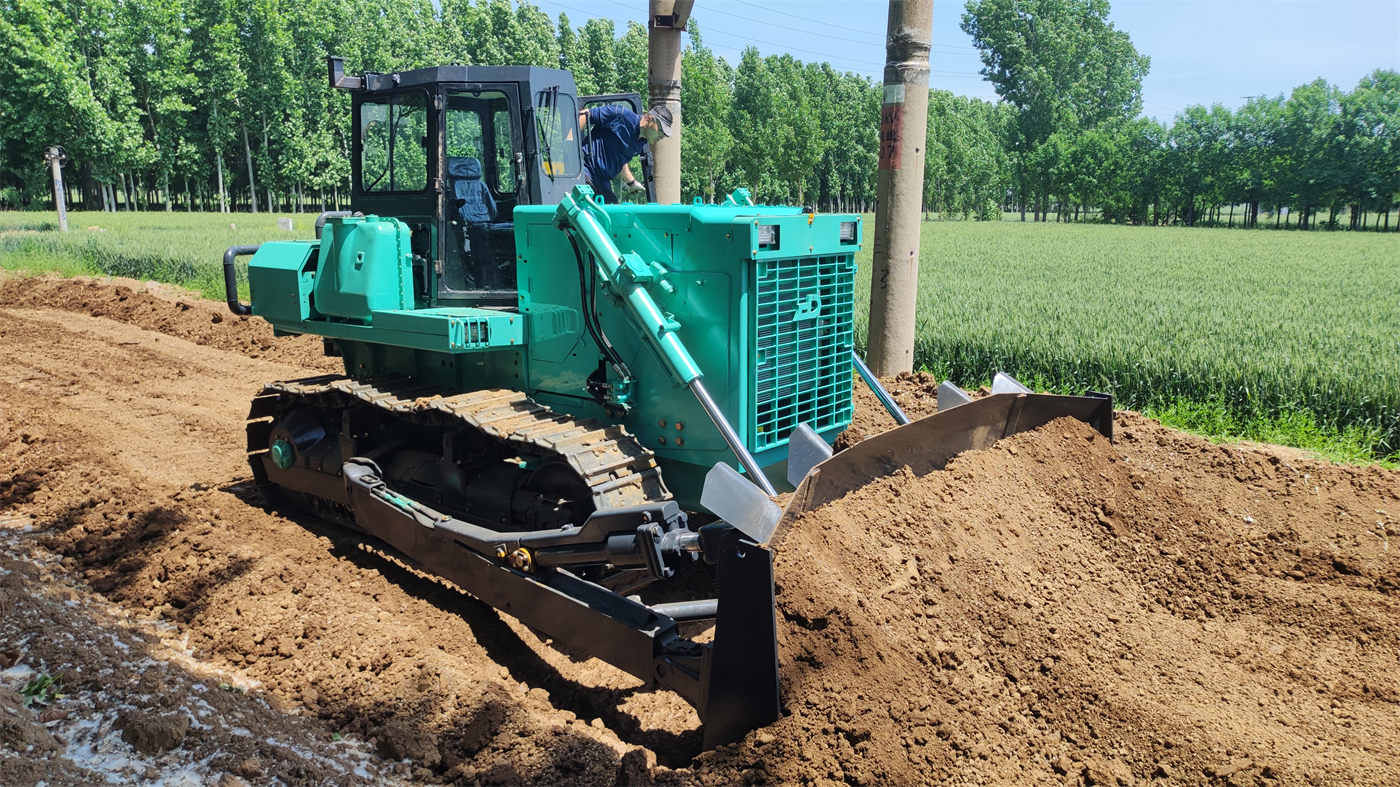
The E22 is driven by a 200kW (272HP) permanent magnet synchronous motor with stable torque of 200Nm, matched with a 614.2V, 690Ah, 423.94kWh lithium iron phosphate battery pack and a customized intelligent BMS management system. The travel motor controller supports 210kW power and 800AAC current. These figures describe the power and energy storage configuration and do not directly equal the available working duration on site. Whether it meets the shift arrangement of a particular site also depends on work intensity, material pushed, site slope, and ambient temperature. The source material does not provide conclusions on endurance time or single-shift work capacity.
What is certain is that battery pack capacity and charging interface specifications determine the hardware prerequisites for charging. Data shows the model supports 2×300kW battery interfaces, 2×250A DC fast charging, and 2×400kW DC discharge, and supports multiple auxiliary power supplies for battery heating and stable low-voltage circuit operation. For construction sites, these interfaces mean that recharging cannot be solved directly with ordinary mains sockets; power supply capacity, distribution equipment, and interface matching must be prepared according to DC fast charging conditions.
Power Supply and Cooling Are Two Parallel Conditions
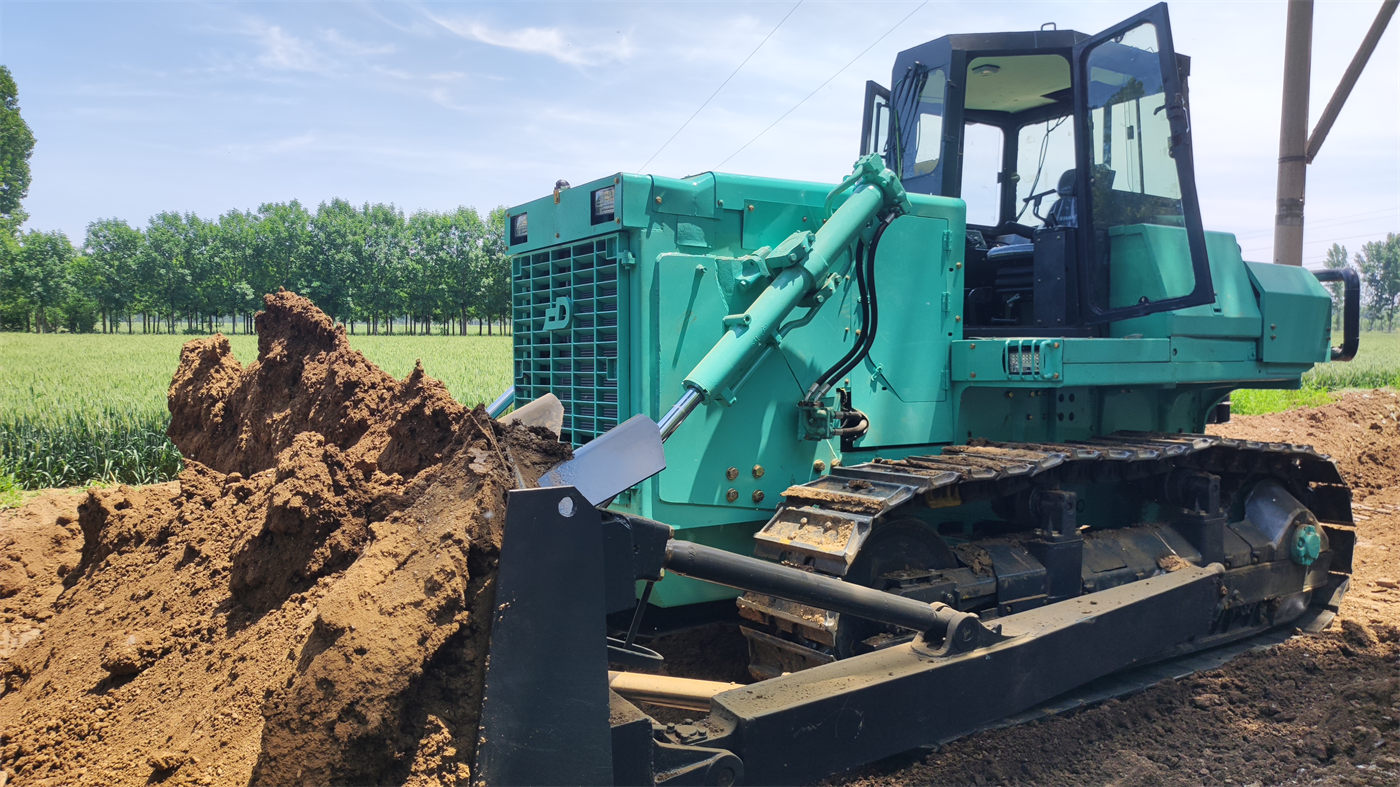
Charging organization is not just about whether power is available; it also includes thermal management during charging and operation. The E22 integrates a full thermal management system, including an 8kW compressor TMS cooling system, a 2.5kW fresh air cooling system, and a 10kW electronic control air conditioner, equipped with a 47cc scroll compressor with EER 2.7 energy efficiency; the liquid cooling system uses a 45kW plate-fin radiator and a 400W PWM water pump to keep the battery and motor within an appropriate temperature range. The data states that the comprehensive thermal management and high-density battery pack can operate stably in extremely high and low temperature areas, but the specific temperature range and corresponding working conditions still need to be based on actual configuration specifications.
For site organization, this means the charging area should not be considered merely as a parking space; ventilation, heat dissipation space, and electrical protection conditions must also be examined. The high-voltage section is equipped with a professional CAN communication insulation monitor, featuring 2500Vac withstand voltage and 10ms fast leakage detection, along with high-voltage shielded cables and metal waterproof connectors. Grounding and protection conditions in the charging and parking areas should be verified according to the equipment's electrical documentation, rather than applying the parking habits of ordinary diesel equipment.
How Shifts Correspond to Charging Windows
To translate charging organization into shift scheduling, several questions must first be answered: how many hours of work are planned per shift, whether a complete charging window can be reserved between shifts, whether a midday shift change is arranged for recharging, and whether backup equipment is available on site to cover the charging gap. The data does not provide conclusions on charging duration or how many shifts can be supported, so these questions can only be further calculated through power supply plans and actual configuration data.
- Shift length and work intensity: determines how much workload must be handled before each recharge; the data contains no endurance figures, so actual working condition tests or energy consumption specifications from the supplier are needed.
- Charging window: the fast charging interface specification is 2×250A DC fast charging; actual charging power is limited by power supply capacity and charging equipment.
- Backup arrangements: if the charging window is insufficient, whether to arrange rotating equipment or adjust work procedures is a project organization decision, not a condition that the equipment itself can replace.
- Auxiliary power: battery heating and stable low-voltage circuit operation require auxiliary power, which should be included in the power supply plan during cold seasons or long parking periods.
What On-Board Monitoring and Remote Information Can Help With
Charging organization needs data support. The E22 is equipped with a 128GB dashcam, a 4G remote monitoring TBOX module, and a 7-inch LCD interactive screen, paired with 2-channel starlight night vision cameras for 360° panoramic view. For equipment management, the remote monitoring module can be used to understand equipment status and location information, but the data does not state whether it provides energy consumption statistics or charging reminders. Before purchase, confirm the data fields and platform access method with the supplier. It cannot be inferred from this that complete energy management capability is already available.
Applicable Scenarios and Boundaries to Preserve
The data describes the main application scenarios of the E22 as urban municipal construction, environmental protection projects, green mining operations, and indoor low-noise demolition projects with strict low-carbon requirements. It also mentions suitability for construction equipment rental business and government-supported green low-carbon construction projects. The common feature of these scenarios is strong emission and noise constraints, corresponding to the zero tailpipe emissions and low noise characteristics of pure electric drive.

However, scenario descriptions do not mean site conditions are already met. The prerequisites that determine whether an electric bulldozer can be deployed are still power supply capacity, charging facilities, interface matching, shift arrangements, and cooling layout. If the site cannot provide power supply conditions matching 2×250A DC fast charging, or if the charging window cannot connect with work shifts, the power type itself cannot solve these problems. In such cases, the charging plan should be demonstrated as a separate topic first, rather than selecting equipment first and then supplementing conditions.
Items to Verify with the Site and Supplier Before Deployment
| Verification Item | Content to Confirm |
|---|---|
| Power supply capacity | Whether the available electrical power on site meets DC fast charging demand, and whether distribution equipment and lines are configured according to charging power. |
| Charging interface | Compatibility of charging equipment with the 2×250A DC fast charging interface, cable length, and layout position. |
| Shifts and windows | Working hours per shift, recharging window, whether equipment rotation is needed, to be calculated based on actual working conditions. |
| Cooling and protection | Ventilation, grounding, waterproofing, and high-voltage protection conditions in the charging and parking areas. |
| Low temperature and auxiliary power | Connection method for battery heating and low-voltage circuit auxiliary power, and usage arrangements during cold seasons. |
| Monitoring data | Data fields of the 4G remote monitoring module, platform access method, and whether energy consumption information can be exported. |
When requesting a quote, it is recommended to prepare the following information: planned site type and area, material type and transport distance, daily shifts and continuous operation requirements, available on-site power supply capacity and distribution conditions, charging area location and available time, ambient temperature range, whether remote monitoring access is needed, and electrical and interface documentation of existing equipment. The supplier needs this information to determine whether the configuration matches, rather than replying based only on horsepower or battery capacity.